
When a pharmaceutical company needs to dry a batch of heat‑sensitive drug substance, the vacuum system often decides whether the cycle finishes on time or drags on with costly delays. In that context, the 50 LPM piston type vacuum pump has become a common choice for lyophilizers that operate around the clock. This article walks through how the pump works, why it fits the lyophilization process, and what you should watch for when you buy, install, and maintain it.
How the 50 LPM Rocking‑Piston Pump Generates Vacuum
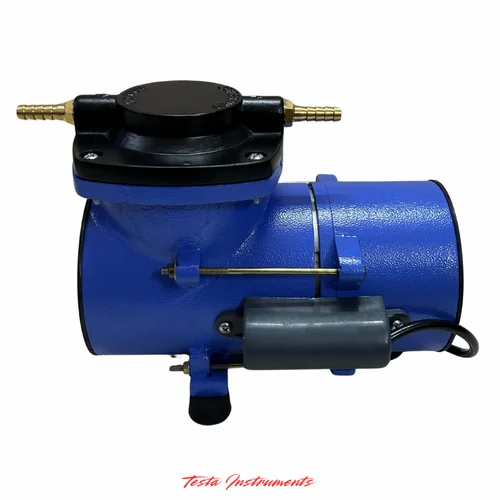
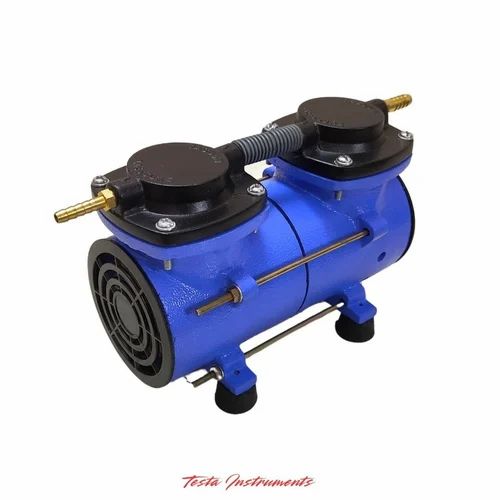
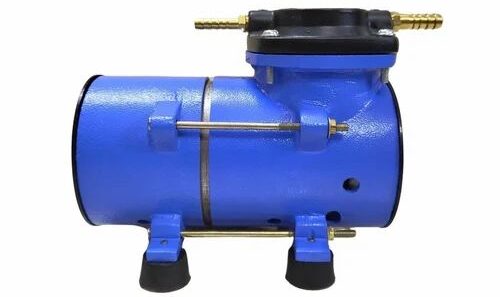
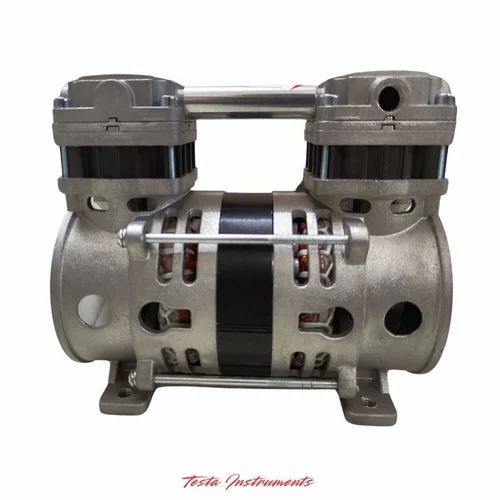
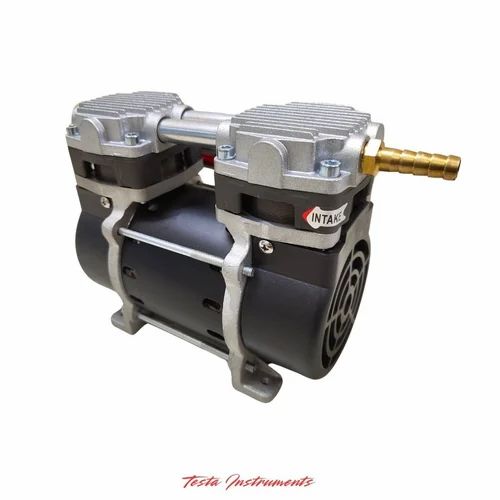
The pump belongs to the family of oil‑free piston devices. Inside a sealed cylinder a piston is driven back and forth by an electric motor. During the forward stroke the piston pushes air out through a one‑way valve, creating a low‑pressure zone behind it. On the return stroke the valve closes, and the expanding volume draws gas from the lyophilizer chamber into the pump chamber. Repeating this cycle at a few hundred revolutions per minute pulls the pressure down to the 0.1 mbar range, which is typical for primary drying in freeze‑dryers.
Because the pump does not rely on oil for sealing, there is no risk of oil back‑streaming into the product stream—a critical factor for sterile drug manufacturing. The rocking motion also reduces vibration compared with a single‑acting piston, making the unit easier to mount on a lab bench or a plant floor.
Why This Pump Matches Pharmaceutical Lyophilization
Lyophilization demands a stable, low‑pressure environment for long periods, often 12‑24 hours per batch. The 50 LPM capacity hits a sweet spot: it can evacuate a typical 500‑liter freeze‑dryer to the target pressure within 30‑45 minutes, yet it does not consume excessive power. The pump’s oil‑free design aligns with GMP (Good Manufacturing Practice) requirements, eliminating a source of contamination that would otherwise need rigorous monitoring.
One limitation to keep in mind is that the pump’s maximum ultimate pressure is around 0.1 mbar. If a process calls for deep‑vacuum levels below 0.01 mbar, a turbomolecular pump or a multi‑stage rotary pump would be a better complement. In such cases the piston pump can serve as a fore‑pump, handling the bulk of the load while a high‑vacuum stage finishes the job.
Practical Benefits You’ll Notice on the Shop Floor
Operators quickly learn that the unit runs with a steady hum and rarely trips an overload breaker. Its energy draw stays under 1 kW at full load, which translates into lower electricity bills compared with older belt‑driven models that waste power in friction. Maintenance crews appreciate the simple valve train and the fact that there are no oil reservoirs to check or replace. The piston’s metal‑to‑metal seals last for years if the pump is kept clean and the inlet filter is changed on schedule.
Because the pump does not use oil, there is no need for oil‑change intervals, and the exhaust air is free of oily mist—an advantage in clean‑room environments where airborne particles are tightly controlled.
Real‑World Insight from the Field
- New buyers often underestimate the importance of a clean inlet filter; a clogged filter can raise the motor current and shorten the piston’s stroke.
- When installing the pump near a lyophilizer, leave at least 150 mm of clearance for airflow and vibration isolation pads to keep noise below 55 dB(A).
- In dusty workshops, a simple pre‑filter on the suction line can prevent abrasive particles from scoring the piston seals, extending service life.
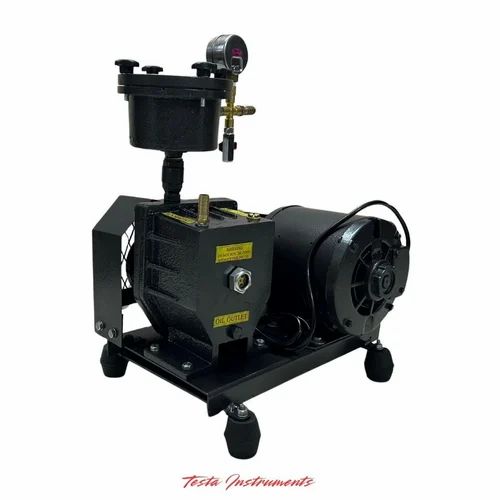
- Compared with a diaphragm vacuum pump of similar flow, the piston unit delivers higher ultimate pressure but may be louder; a belt‑driven pump is quieter but requires oil changes.
Maintenance Routine and Expected Service Life
Routine care for the 50 LPM piston pump is straightforward. A typical schedule looks like this:
- Weekly: Inspect the inlet filter, wipe any dust from the motor housing, listen for abnormal noises.
- Monthly: Check the motor’s temperature rise during a full‑load run; a rise above 15 °C may indicate bearing wear.
- Quarterly: Remove the suction line, clean the one‑way valves with a soft brush, and verify that the piston moves freely.
- Annually: Replace the sealing rings if visual inspection shows wear, and perform a performance test to confirm the ultimate pressure is still within spec.
When these steps are followed, most users report a service life of 8‑10 years before a major overhaul is needed. That figure is realistic; it reflects wear on the piston bearings and the occasional need to replace the motor brushes.
Choosing the Right Size for Your Lyophilizer
The 50 LPM rating tells you the maximum volume of gas the pump can move at a pressure of 1 bar. In practice, the effective flow drops as the pressure falls. For a 500‑liter lyophilizer, the pump can maintain the required 0.1 mbar without throttling, but if you plan to run a larger 800‑liter chamber, you might need a 75 LPM model or a parallel pair of 50 LPM units.
Other factors to weigh include:
- Duty cycle: If the dryer runs continuously for 24 hours, select a pump rated for 100 % duty. Some units are limited to 50 % duty and need a cool‑down period.
- Power availability: The pump runs on a single‑phase 230 V supply, drawing about 0.9 A at full load. Ensure the circuit can handle the start‑up surge.
- Operating environment: The pump tolerates ambient temperatures up to 45 °C, but in hot climates a small fan or air‑conditioned enclosure helps keep the motor temperature stable.
Installation Tips to Avoid Common Pitfalls
Mount the pump on a vibration‑isolating base, preferably a rubber pad that can absorb the rocking motion. Connect the suction line with a short, smooth‑bore tube; bends larger than 90° create pressure losses that reduce effective flow. Use a stainless‑steel exhaust pipe to prevent corrosion in humid plant areas.
Before powering up, purge the system with dry nitrogen to remove moisture that could condense on the piston seals during the first few cycles. This step also gives you a chance to verify that all connections are leak‑free.
Comparison with Other Vacuum Technologies
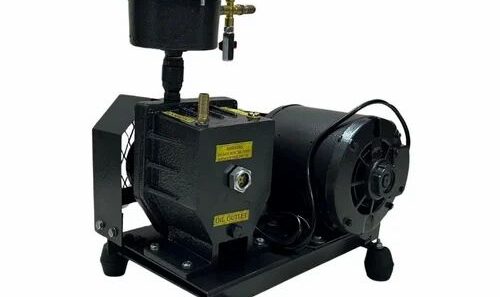
Diaphragm vacuum pumps are also oil‑free, but they typically deliver lower ultimate pressures (around 0.5 mbar) and have a pulsating flow that can affect lyophilizer stability. Rotary‑vane pumps, especially oil‑lubricated ones, achieve deeper vacuums but introduce the risk of oil back‑streaming and require regular oil changes. Belt‑driven pumps can move large volumes quietly, yet they need oil reservoirs and periodic belt tension checks. The 50 LPM piston pump sits in a niche where oil‑free operation, respectable ultimate pressure, and modest power consumption intersect.
Where to Buy and Who to Call for Support
If you have decided that a 50 LPM piston type vacuum pump fits your lyophilization line, you can find it on IndiaMart. For technical questions, spare‑part orders, or on‑site assistance, reach out to the support team at 07949287697. Testa Instruments manufactures vacuum and air‑handling solutions and is trusted by thousands of customers across India.
Frequently Asked Questions
What is the typical ultimate pressure of a 50 LPM piston pump?
Under normal operating conditions the pump reaches about 0.1 mbar, which is sufficient for primary drying in most pharmaceutical lyophilizers.
Can the pump run continuously for 24 hours?
Yes, provided you select a model rated for 100 % duty cycle and keep the ambient temperature within the specified range. Adding a small cooling fan can improve reliability in hot environments.
Is oil‑free operation mandatory for GMP compliance?
While GMP does not explicitly require oil‑free pumps, using an oil‑free design eliminates the need for oil‑contamination monitoring and simplifies validation.
How often should the inlet filter be replaced?
In a clean‑room setting the filter can last six months to a year. In dusty workshops replace it every three months or when you notice a pressure drop during start‑up.
Conclusion
The 50 LPM piston type vacuum pump offers a balanced mix of performance, reliability, and low operating cost for pharmaceutical lyophilization. Its oil‑free design aligns with strict contamination standards, while the rocking piston delivers a stable vacuum that keeps freeze‑dry cycles on schedule. By paying attention to installation details, routine maintenance, and the right sizing for your dryer, you can extract years of dependable service from a single unit. When the time comes to replace or expand your vacuum system, remember that the piston pump’s strengths lie in moderate flow, deep enough vacuum, and minimal upkeep—qualities that keep a lyophilization line humming without unnecessary interruptions.