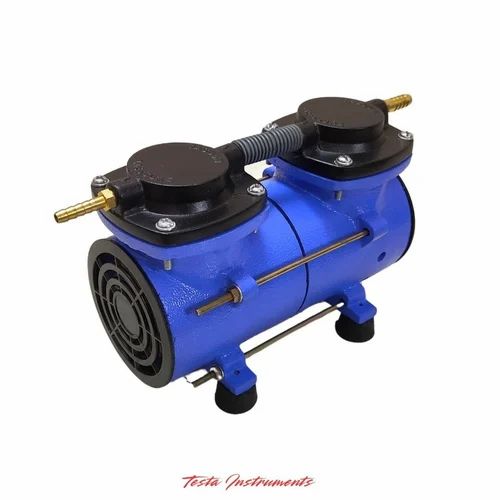

When a semiconductor fab needs to remove microscopic particles from a silicon wafer, the vacuum system is often the deciding factor between yield and loss. A compact unit that can pull a steady 25 LPM of clean, oil‑free air is a common sight on many clean‑room benches. That unit is the 25 LPM diaphragm vacuum pump, a workhorse that blends simplicity with reliability.
How the pump works
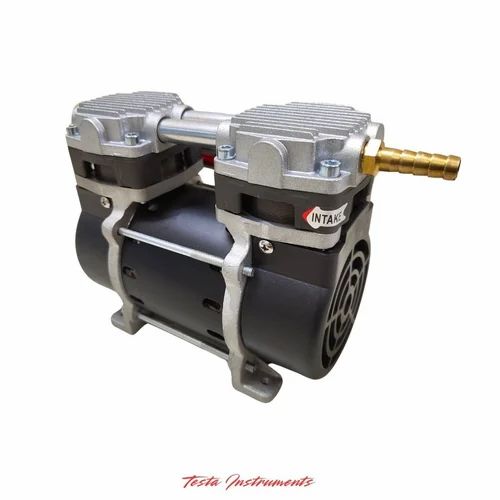
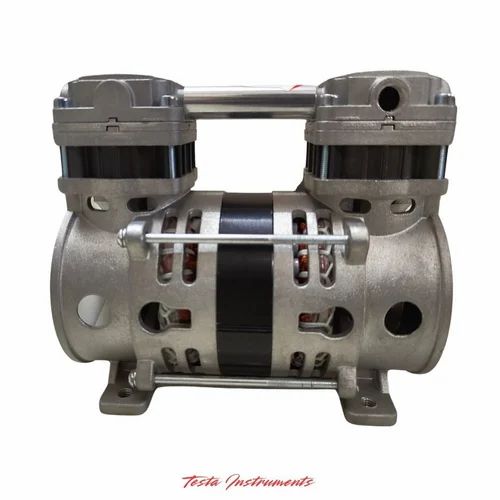
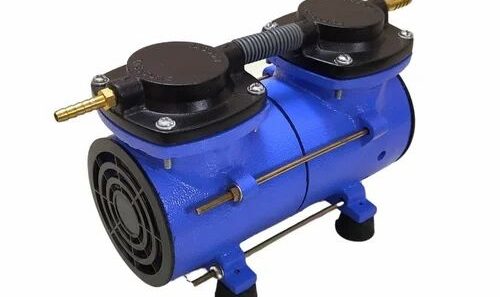
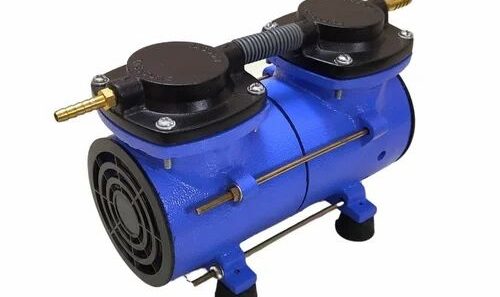
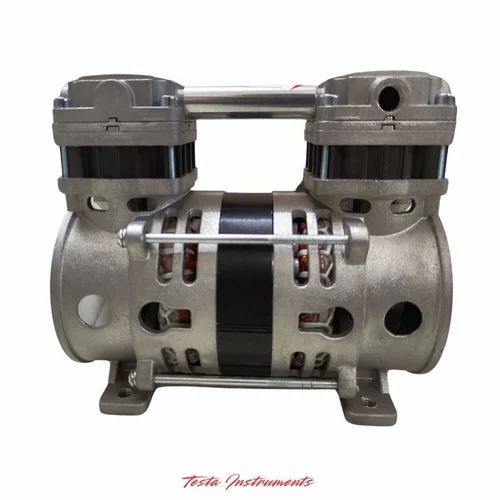
The diaphragm pump uses a flexible membrane that moves back and forth inside a sealed chamber. When the diaphragm lifts, the chamber volume expands, creating a low‑pressure zone that draws air in through an inlet valve. As the diaphragm pushes down, the volume shrinks, closing the inlet and opening an outlet valve that forces the air out toward the wafer‑cleaning tool. Because the moving parts never touch the gas, the pump stays oil‑free and the exhaust is clean.
Think of the diaphragm as a tiny bellows you might use to inflate a balloon, only the motion is driven by an electric motor and the bellows are made of reinforced rubber. The motor’s speed controls how fast the diaphragm cycles, which in turn sets the flow rate – in this case, roughly 25 L of air per minute at the specified vacuum level.

Why it fits semiconductor wafer cleaning
Wafer cleaning stations require a stable, low‑contamination vacuum. The diaphragm design delivers a consistent pressure without the oil mist that can accompany rotary‑type pumps. In a clean‑room environment, any oil particles can settle on the wafer surface and cause defects, so an oil‑free pump is practically mandatory.
The 25 LPM rating matches the typical demand of single‑wafer spin‑rinsers and batch‑type scrubbers. These tools need enough suction to pull liquid droplets and loose particles away, but they do not require the high flow of a large‑scale pump. The compact size also means the unit can be mounted close to the tool, reducing hose length and pressure drop.
One limitation to keep in mind is that the pump’s ultimate pressure is around 10 mbar. For processes that need deep vacuum (below 1 mbar), a piston or turbomolecular pump would be a better choice.
Key practical benefits
Operators often point to a few practical advantages that make the 25 LPM diaphragm pump a go‑to solution. First, the design is inherently reliable – there are no oil seals to wear out, and the diaphragm can survive thousands of cycles before needing replacement. Second, the motor runs at modest power, so the unit consumes less electricity than a comparable rotary pump. Third, routine upkeep is limited to checking the inlet filter and inspecting the diaphragm for wear, which can be done during a scheduled shutdown.
Because the pump does not rely on oil, there is no need for oil changes or disposal of contaminated oil, which cuts both cost and environmental paperwork. The long service life – typically 8‑10 years with proper care – means the capital expense is spread over many production cycles.
Real‑world insights
Common buyer mistake: Selecting a pump based only on maximum flow without checking the duty cycle of the cleaning tool. A pump that runs continuously at full speed will overheat faster than expected.
Installation consideration: Place the pump on a vibration‑isolated platform and keep the inlet filter clean; a clogged filter can raise the inlet pressure and reduce suction.
Environment suitability: The unit tolerates typical clean‑room temperatures (18‑24 °C) and low dust levels, but it should not be exposed to direct splashes of chemicals. Noise is modest – about 55 dB(A) – which is acceptable for most lab benches.
Maintenance and expected service life
Maintenance is straightforward. Once a month, remove the inlet filter and blow it out or replace it if it looks soiled. Inspect the diaphragm for cracks every six months; most manufacturers recommend swapping it after 5 000 hours of operation. The motor bearings should be lubricated according to the motor’s manual, usually once a year.
Unlike oil‑lubricated rotary pumps, there is no oil to change, so downtime is minimal. The pump’s service life is often limited by diaphragm fatigue rather than motor wear, which is why keeping the operating pressure within the specified range extends the life.
Choosing the right size and variant
The 25 LPM flow rating is a good match when the cleaning tool draws between 15 and 30 LPM at the required vacuum level. If the tool runs intermittently, a lower duty‑cycle rating may be sufficient, but you must verify that the pump can handle the peak demand without stalling.
Power availability is another factor. The unit runs on a single‑phase 230 V supply, drawing roughly 0.4 kW. If your facility only has three‑phase power, a small transformer can be used, but it adds cost.
Operating conditions such as ambient temperature and altitude affect the ultimate pressure. At higher altitudes, the pump’s ability to reach low pressure drops, so you may need a slightly larger pump or a supplemental booster.
Installation tips and common pitfalls
Mount the pump on a level surface and secure it with the supplied brackets. Connect the inlet to a pre‑filter that can handle the particle load of the fab’s air supply. Use stainless‑steel tubing to avoid corrosion and to maintain cleanliness.
A frequent error is routing the exhaust directly back into the clean‑room. The pump exhaust contains moisture and any residual particles; it should be vented to a dedicated exhaust line outside the controlled area.
Comparison with other pump families
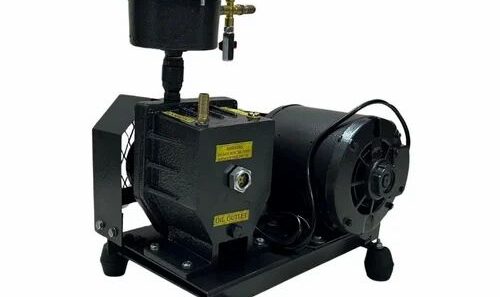
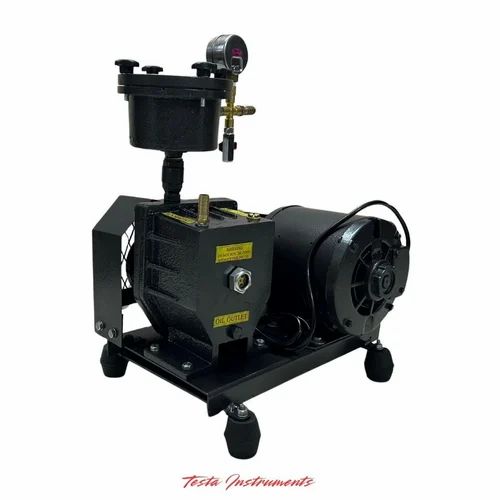
Rotary vane pumps can achieve lower ultimate pressures but require oil, which introduces contamination risk. Belt‑driven pumps deliver higher flow rates but are bulkier and generate more vibration. The diaphragm pump sits in a sweet spot for wafer cleaning: modest flow, oil‑free operation, and low vibration.
Frequently Asked Questions
What vacuum level can a 25 LPM diaphragm pump achieve?
Typical ultimate pressure is around 10 mbar (0.01 bar). This is sufficient for most wafer‑rinse and spin‑dry operations but not for processes that need high‑vacuum environments.
Can the pump run continuously?
Yes, provided the duty cycle does not exceed the manufacturer’s rating (usually 80 % continuous). Over‑running can cause the motor to overheat and shorten diaphragm life.
Is the pump compatible with nitrogen purge systems?
Absolutely. Because the pump is oil‑free, it can handle inert gases like nitrogen without risk of oil contamination. Just ensure the inlet filter is rated for the gas flow.
How often should the diaphragm be replaced?
Most users replace the diaphragm after 5 000 hours of operation or when visual inspection shows signs of wear. Some manufacturers offer a wear‑indicator that changes color when replacement is due.
Conclusion
The 25 LPM diaphragm vacuum pump offers a blend of reliability, low energy use, and clean operation that aligns well with the strict demands of semiconductor wafer cleaning. Its oil‑free design eliminates a major source of particle contamination, while the simple mechanical layout keeps maintenance tasks short and predictable. For fabs that need a steady, modest flow without the complexity of larger rotary or piston units, this pump remains a practical choice.
If you are ready to add a unit to your clean‑room, you can find the model on IndiaMart. For technical questions or a direct quote, call 07949287697.
Testa Instruments manufactures vacuum and air‑handling solutions and is trusted by thousands of customers across India.