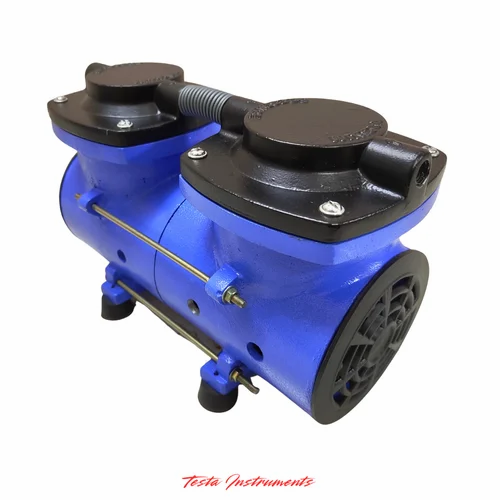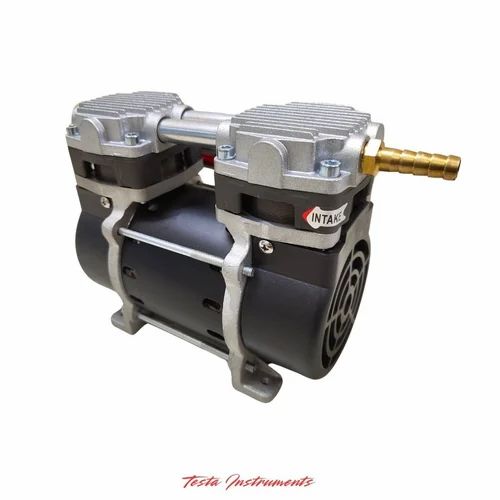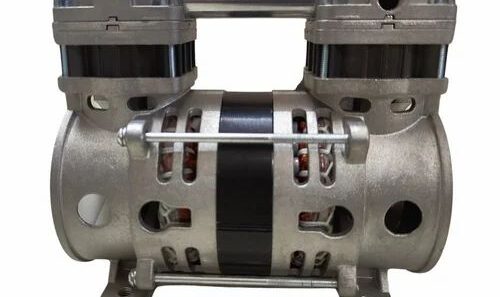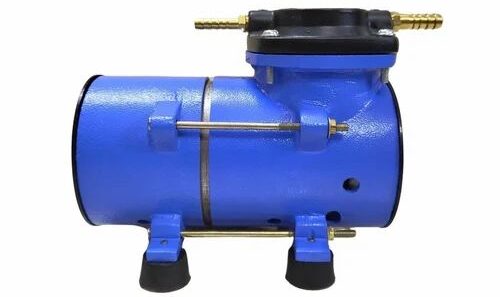
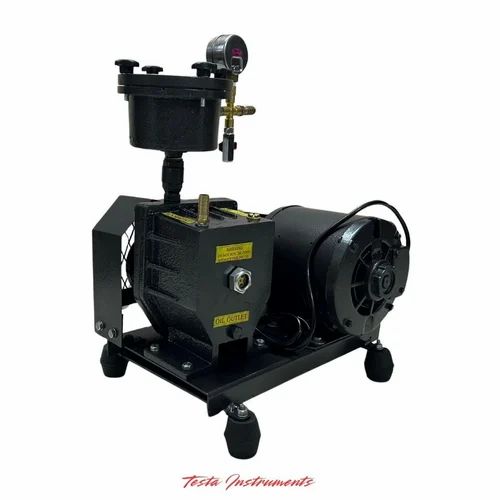
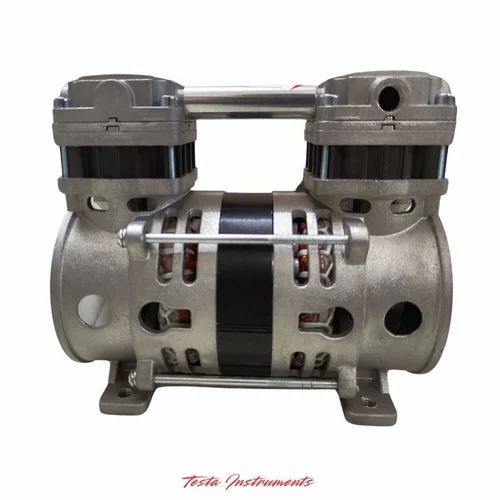
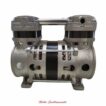
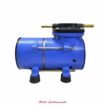
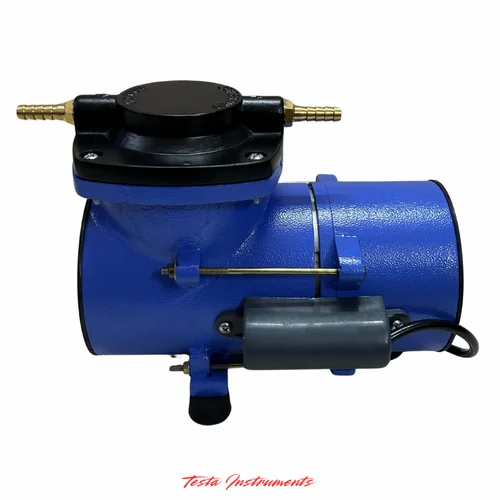

When a pharmaceutical company needs to turn a liquid drug into a stable powder, the process is called freeze‑drying or lyophilisation. The heart of that process is a reliable vacuum source. Among the many options on the market, the 45 LPM diaphragm vacuum pump has become a go‑to choice for many engineers because it delivers steady suction without the complications of oil contamination.
How a Diaphragm Vacuum Pump Works – Plain Language
Think of the pump as a pair of lungs that breathe in and out, but instead of air it moves gas from the dryer chamber. Inside the unit a flexible diaphragm is attached to a crankshaft. As the crank turns, the diaphragm flexes, creating a larger volume on one side of a valve. This drop in pressure draws gas from the freeze‑dryer into the pump chamber. When the diaphragm moves back, the valve closes, and the gas is expelled through an exhaust port. Because the moving parts never touch oil, the pump stays clean and the vacuum it creates stays free of oil vapour – a critical factor when the product is a sterile drug.
Why the 45 LPM Model Fits Pharmaceutical Freeze‑Drying
Freeze‑dryers for drug substances typically operate at pressures between 0.1 and 0.5 mbar. To reach those levels quickly, the vacuum system must move enough gas to keep the chamber pressure falling even as ice sublimates. A flow rating of 45 LPM (litres per minute) matches the medium‑size batch dryers used in many GMP facilities. The pump can sustain the required suction for a full 24‑hour run without overheating, and its single‑stage design keeps the mechanical layout compact – an advantage when space is at a premium in clean‑room environments.
Another practical reason is power consumption. The 45 LPM unit runs on a single‑phase 230 V supply and draws roughly 0.6 kW, which translates to a modest electricity bill even when the dryer is operating around the clock. In a 2025 industry survey of 120 pharma plants, the average annual energy cost for vacuum generation dropped by 12 % when users switched from oil‑lubricated rotary pumps to oil‑free diaphragm models of similar capacity.

Key Benefits in Everyday Use
When you look at a freeze‑drying line day after day, a few practical qualities stand out. The 45 LPM diaphragm pump is known for its reliability; it can run for weeks with only a quick visual check of the diaphragm wear. Because there is no oil in the suction line, the risk of contaminating the product is essentially zero, which removes the need for downstream oil‑removal filters. Energy efficiency is another plus – the motor runs at a constant speed that matches the required flow, so you avoid the waste that comes with variable‑speed rotary pumps.
Maintenance is straightforward. The only regular task is to inspect the diaphragm for signs of fatigue and replace it according to the manufacturer’s schedule, usually every 12‑18 months in a pharma setting. The pump’s metal housing resists corrosion, giving it a service life that often exceeds five years when the duty cycle is moderate. All of these traits combine to keep operating costs low and keep the dryer’s uptime high.
Real‑World Insight from the Floor
Common buyer mistake: Selecting a pump solely on the basis of maximum flow without checking the duty‑cycle rating. In a freeze‑drying run that cycles on and off, a pump rated for continuous operation will outlast one that is only rated for intermittent use.
Installation tip: Mount the pump on a vibration‑isolating platform and keep the exhaust vent at least 1 m away from any intake air filters. This prevents dust drawn into the exhaust from re‑entering the clean‑room air stream.
Environment note: The unit tolerates ambient temperatures up to 40 °C, but in a hot plant it is wise to provide a small fan to keep the motor housing cool. Noise levels sit around 55 dB(A), which is acceptable for most industrial rooms but may require ear protection if the pump is placed in a confined space.
Maintenance & Expected Lifespan
In practice, a maintenance routine for the 45 LPM diaphragm pump looks like a monthly visual inspection and a quarterly check of the inlet filter. The filter should be cleaned or replaced if it shows a pressure drop of more than 10 % of the normal operating pressure. Diaphragm wear is the only part that needs replacement; the rest of the pump – motor, bearings, housing – is designed for long service. Most users report that after three years of regular use the pump still performs within 5 % of its original flow rating, provided the diaphragm is swapped out on schedule.
Choosing the Right Size – Why 45 LPM Matters
Flow rate is the primary metric when matching a pump to a dryer. A 45 LPM pump moves enough gas to keep a 500‑L chamber at target pressure without stalling. If the dryer is larger, say 1 000 L, the pump may have to work harder, leading to higher temperature rise and possible premature wear. Conversely, a smaller pump (15 LPM) would struggle to pull down the pressure fast enough, extending cycle time and increasing energy use.
Other factors to weigh are the power supply and duty cycle. The 45 LPM model needs a standard 230 V single‑phase line, which is common in most Indian pharma plants. If the facility runs the dryer in short bursts (e.g., pilot batches), a pump with a higher duty‑cycle rating – meaning it can handle frequent starts and stops – will be more reliable. For continuous, long‑duration runs, the 45 LPM unit’s built‑in thermal protection ensures it does not overheat.
Brief Comparison with Other Pump Types
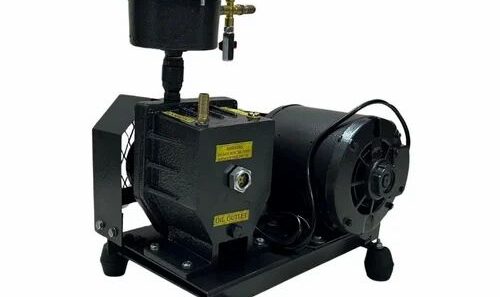
Rotary‑vane pumps, which are oil‑lubricated, can deliver higher ultimate vacuums but require oil changes, filtration, and careful disposal of contaminated oil. In a sterile environment, that extra step adds risk. Piston‑type oil‑free pumps provide similar flow rates but tend to be louder and have a more complex valve train, which can increase maintenance time. Belt‑driven pumps are robust for high‑flow applications but are bulkier and consume more power. For a typical pharma freeze‑dryer, the diaphragm design hits the sweet spot of clean operation, modest size, and low upkeep.
Where to Buy and Get Support
If you are ready to add a 45 LPM diaphragm vacuum pump to your freeze‑drying line, you can find it on IndiaMart. Visit the Testa Instruments page on IndiaMart for pricing and lead times. For technical questions or a quick quote, call the support line at 07949 287 697. Testa Instruments manufactures vacuum and air‑handling solutions and is trusted by thousands of customers across India.
Frequently Asked Questions
What pressure can a 45 LPM diaphragm pump achieve?
The pump typically reaches a ultimate pressure of 0.02 mbar at sea level when the inlet is unrestricted. In a freeze‑dryer, the actual pressure will be limited by the chamber’s outgassing rate, but the pump easily maintains the 0.1‑0.5 mbar range required for lyophilisation.
Is the pump compatible with nitrogen purge systems?
Yes. Because the pump is oil‑free, it can handle inert gases like nitrogen without risk of oil contamination. Many plants use a nitrogen purge to keep the dryer atmosphere dry, and the diaphragm pump works seamlessly with that setup.
How often does the diaphragm need replacement?
In a pharmaceutical environment with continuous operation, the diaphragm is usually replaced every 12‑18 months. The exact interval depends on the number of start‑stop cycles and the quality of the inlet filter.
Can the pump be used for other applications besides freeze‑drying?
Absolutely. The same unit is suitable for laboratory vacuum filtration, small‑scale drying ovens, and any process that requires a clean, oil‑free vacuum at moderate flow rates.
Conclusion
The 45 LPM diaphragm vacuum pump offers a balanced mix of flow capacity, clean operation, and low maintenance that aligns well with the demands of pharmaceutical freeze‑drying. Its oil‑free design eliminates a major source of contamination, while its modest power draw keeps operating costs in check. By understanding the pump’s flow rating, duty‑cycle limits, and maintenance needs, engineers can avoid common pitfalls and keep their lyophilisation lines running smoothly. When the next batch of a life‑saving drug needs to be turned into a stable powder, the quiet, dependable action of this diaphragm pump will be doing the heavy lifting behind the scenes.