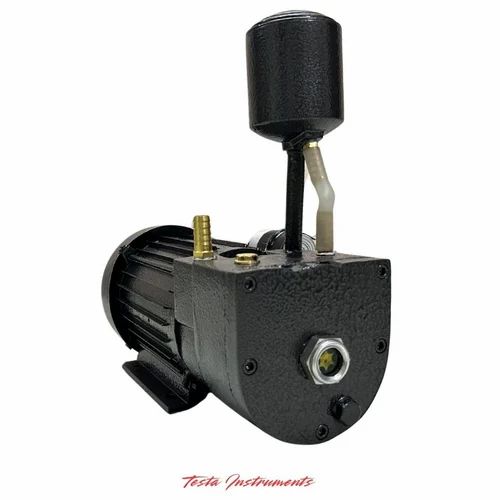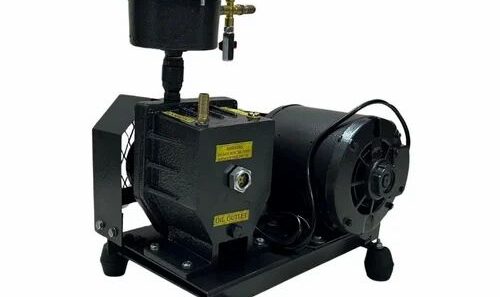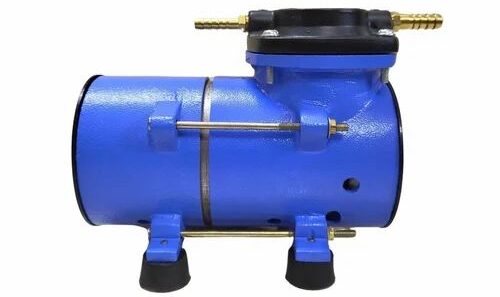
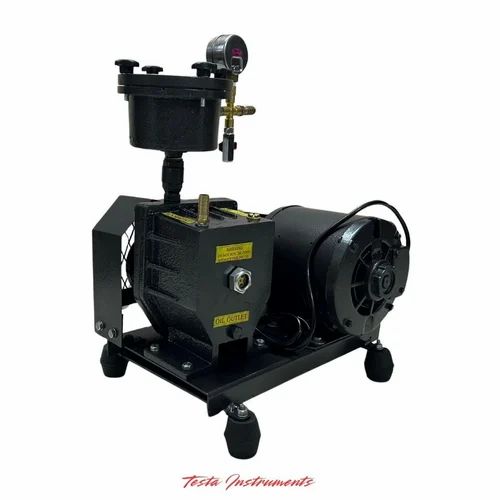
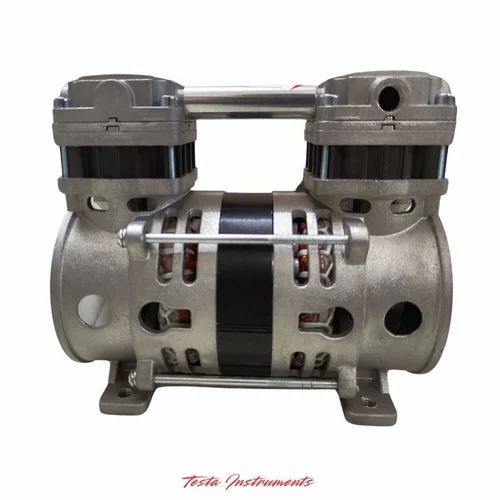
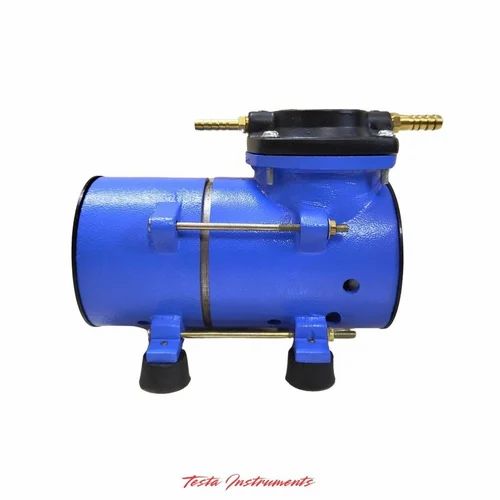

Short, practical opening: In many small analytical labs, getting consistent, bubble-free filtration can be the difference between a clean result and wasted time. The 15 LPM Diaphragm Vacuum Pump can be the right fit for single-station filtration setups and small parallel runs, offering a balance of steady flow and oil-free operation within compact footprints.
What the product is & how it works
The diaphragm pump is a simple mechanical design that moves air by flexing a membrane back and forth. In practical terms, the working cycle alternates a pulling stroke that creates negative pressure and a pushing stroke that vents air out. Because the pumping chamber is separated from the motor by the diaphragm, no lubricating oil contacts the flow path. That makes these pumps an obvious choice for labs where sample contamination must be avoided.
The physical motion is driven by an eccentric or cam on the motor shaft, or by a rocking mechanism. Valves at the inlet and outlet open and close in sync with the diaphragm motion so each stroke draws in air and then expels it. Compared with rotary or piston pumps, the mechanical action is gentler on particulate-laden airstreams and on delicate glassware setups.

Why a 15 LPM Diaphragm Vacuum Pump fits filtration tasks
For routine vacuum filtration in analytical and research laboratories, this size offers a practical middle ground. A compact 15 LPM unit supplies enough airflow to pull a typical 47 mm membrane or a single Buchner funnel at a steady rate, while staying small enough to sit under a bench or inside a cabinet. The oil-free flow reduces the chance of contaminating samples, and the modest electrical draw keeps running costs low on continuous or repeated short runs.
There are limits. If you need to pull large multi-position manifolds, or to support several stations at once, a higher capacity pump or a parallel manifold with larger flow capability would be more suitable. Similarly, if you require deep vacuum levels below what diaphragm designs can sustain for extended times, a two-stage rotary vane or a roughing pump may be the correct choice.
Key specifications & what they mean in practice
Flow rate (LPM) – how to read it
Flow rate is often quoted in liters per minute. The 15 LPM rating indicates the maximum free-air flow under no-load conditions. In filtration, actual throughput depends on the resistance the filter creates. Think of the pump rating as the size of your faucet; the membrane resistance is the narrowness of the pipe. If you put a very fine filter, the flow out of the pump will be lower and the time to filter a sample will increase. For most single-position Buchner funnels and 47–90 mm membranes, a 15 LPM unit provides a comfortable pace without excessive turbulence at the sample surface.
Vacuum level and pull-down time
Pumps are also rated by the vacuum they can achieve, often in mbar or kPa. Diaphragm pumps of this size typically reach moderate vacuum levels sufficient for filtration and degassing tasks. Pull-down time is how long the pump takes to reach the desired vacuum when connected to your system. In practice, a shorter pull-down saves time between runs, but sustained deep vacuum is not the diaphragm pump’s strong suit. For tasks requiring very low absolute pressure, consider a different pump type.
Duty cycle, power and noise in everyday use
Manufacturers usually state duty cycle as continuous or intermittent. A 15 LPM diaphragm pump intended for lab use will often be rated for continuous duty but check the data plate. Power consumption is modest, typically single-phase mains supply in small models. Noise levels matter in close quarters. These pumps run quieter than many piston or belt-driven pumps, but they still produce perceptible mechanical sound. If you work in a small open lab, aim to install the unit in a cupboard with venting or use a low-noise variant.
Key benefits
Choose a diaphragm pump when you want a compact source of clean, oil-free vacuum without complex plumbing. In labs that handle solvents, suspensions or biological samples, removing oil from the flow path reduces the risk that vapors or tiny oil droplets will alter results. The pumping action is tolerant of particulate and condensable vapors to a degree, which lowers the chance of a stopped run when a little carryover occurs.
Unlike oil-filled systems, routine service focuses on valve and diaphragm checks rather than oil changes. This cuts downtime and makes the unit easier to maintain on a tight schedule. Energy draw is low enough that running several short filtration cycles per day does not spike laboratory power consumption excessively.
Installation and real-world considerations
Placement and plumbing often determine how well a pump performs in real use. Put the pump as close to the filtration station as practical to keep tubing length and diameter minimal. Long, small-bore tubing reduces effective flow and increases pull-down time. Use chemically resistant tubing rated for vacuum service and install a small trap or condensate catcher if you expect any liquid carryover.
Environmental factors matter. These pumps prefer a clean, ventilated location with ambient temperatures within the rated range. Dust will shorten diaphragm and valve life, so avoid dusty rooms or use a simple intake filter. If noise is an issue, a ventilated cabinet or acoustic paneling reduces perceived sound without restricting airflow.
Common mistakes I see from buyers include undersizing the tubing, skipping a condensate trap, and mounting the pump where spilled liquids can reach it. Another frequent error is running a single small pump to serve multiple high-demand stations; that leads to poor filtration rates and uneven vacuum across ports. If the lab has several simultaneous users, consider a higher-capacity solution.
Maintenance and expected service life
Routine maintenance for a diaphragm unit is straightforward. Inspect and, if necessary, replace the diaphragm and valve assemblies on a schedule based on runtime and sample type. For many labs this is once every 6 to 12 months; for heavy particulate or solvent work, shorten that interval. Keep the intake screened with a simple filter and check for tubing cracks or hardening at connection points.
Rebuild kits are common and allow replacing wear parts without swapping the entire unit. Expect component wear rather than sudden motor failure. The motor and drive system are robust if the pump is used within specifications. Avoid continuous operation at maximum vacuum against a closed system; this creates stress on the diaphragm and shortens life.
Practical maintenance checklist
1) Visual check for cracks and oil contamination. 2) Replace small inlet filters monthly in dusty environments. 3) Change diaphragm and valve kit per runtime schedule. 4) Verify electrical connections and ensure the motor vents are clear. These steps keep downtime low and performance steady.
Choosing the right size or variant
Start by listing what you need the pump to do. How many funnels or manifold ports will it serve? What membrane sizes and porosities are typical? How often will runs be back-to-back? If you normally run single 47 mm or 90 mm funnels, a 15 LPM pump will usually be sufficient. If you aim to run two or more stations at once, a higher flow model will lower cycle time and reduce the chance of slowed runs.
Consider operating conditions. If you expect solvent vapors or occasional splashes, select a pump with a recommended condensate trap and compatible valves. For continuous heavy duty work, confirm the duty cycle rating. Power supply matters in older buildings; a single-phase small motor is easier to integrate than a three-phase unit.
A useful way to decide is to measure your current filtration time with an existing setup, then scale up or down. If a sample takes 4 to 6 minutes to filter on your bench device, a 15 LPM pump will likely maintain that pace for routine lab work. If you want that time halved while keeping the same membrane, move to a larger flow pump or a two-head system.
One buying touch I recommend is to plan for maintenance access. Mount the pump where you can reach the air inlet, service panels, and electrical disconnect without moving other equipment.
Frequently Asked Questions
Will this pump contaminate solvent-sensitive samples?
No. The diaphragm design isolates the motor and drive from the gas stream. Because there is no oil in the pumping chamber, the risk of oil carryover into solvents or samples is minimal. Still, use a solvent trap or cold trap if you work with volatile organics.
Can I run several filters at the same time?
It depends on the filters and how restrictive they are. For two or three small filters the pump may cope, but flow will be shared and individual filter times will increase. If you plan to run multiple stations often, choose a larger flow model or install a manifold and balance tubing diameters to equalize flow.
How loud is a 15 LPM diaphragm pump?
These pumps are quieter than many piston or heavy belt-driven units but produce a consistent mechanical hum. In a small quiet lab, add a ventilated cabinet or acoustic isolation to reduce perceived noise. Check the manufacturer’s dB rating if sound is a limiting factor.
What is a typical service interval?
Service intervals depend on use. For light lab work, inspect filters monthly and replace diaphragms and valves every 6 to 12 months. For heavy particulate or solvent use, shorten intervals and keep a spare diaphragm kit on hand.
For purchase or model queries, you can check availability at https://www.indiamart.com/testa-instruments/. For direct support, call 07949287697.
Conclusion
For bench-scale vacuum filtration, a thoughtfully selected 15 LPM diaphragm vacuum pump offers a practical mix of clean, oil-free operation, manageable noise and easy service. It behaves like a reliable kitchen tool: compact, predictable and suited to routine tasks, much like pulling an old recipe from a shelf and finding it still works because the basic steps are sound. If your lab’s workload is small to moderate and contamination risk is a concern, this pump size often hits the balance most users want. Keep tubing short, fit a trap if solvents are present, and plan routine diaphragm checks so performance stays steady. With those steps, a 15 LPM Diaphragm Vacuum Pump will serve daily filtration and light degassing tasks effectively.