
The Silent Partner in Modern Dairy Farming
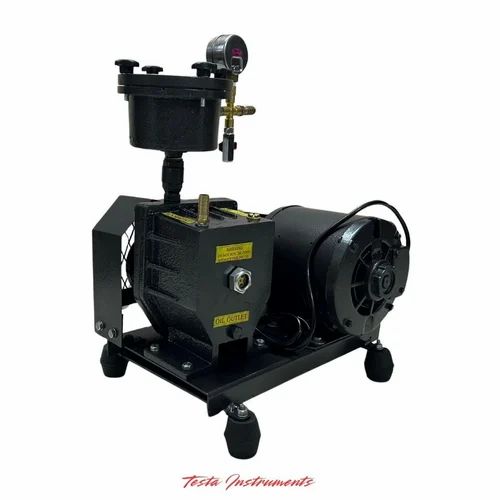
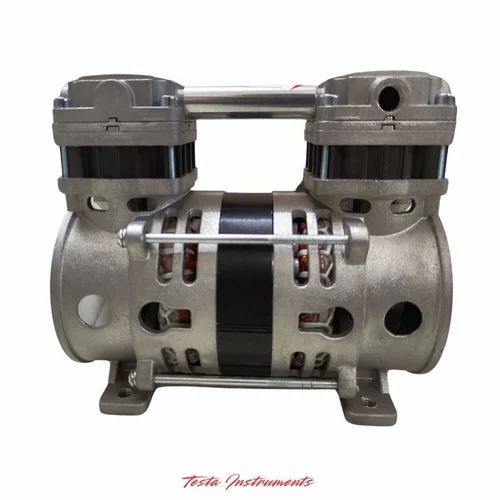
Walk into any modern dairy farm using automated milking systems, and you’ll find a critical piece of equipment quietly doing its job: the 250 LPM vacuum pump. This specific pump size has become the backbone for operations milking 8 to 16 cows simultaneously. Unlike industrial-scale setups requiring massive vacuum systems, these mid-range pumps strike a rare balance—delivering consistent performance without excessive energy draw. But getting the most out of them requires understanding their physics, limits, and real-world quirks.

How It Works: No Textbook Jargon
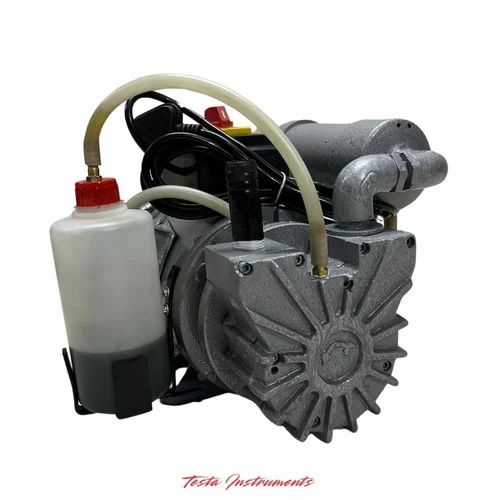
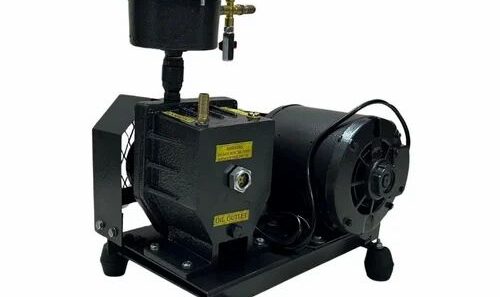
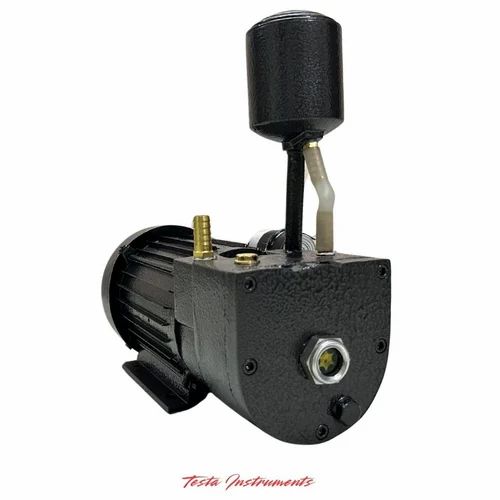
Imagine building a stable structure in shifting sand. Just as the right moisture level and compaction let a sandcastle hold its form, a 250 LPM oil-lubricated vacuum pump maintains precise negative pressure—typically 45-50 kPa—for milking clusters. Here’s how it happens: an electric motor drives a rotor inside an oil-sealed chamber. As vanes spin, they create expanding pockets that pull air from the milking lines. The vacuum level stabilizes through continuous evacuation, much like how tightly packed sand grains resist collapse until external forces disrupt them. Oil lubrication isn’t a flaw here; it’s essential for reducing friction and heat during extended runs.
Where the 250 LPM Model Shines (and Where It Doesn’t)
This pump isn’t a universal solution. Its 250-liter-per-minute flow suits farms with parlors handling 8-16 milking units. The oil-lubricated design handles continuous duty cycles better than dry pumps, crucial during 4-5 hour milking sessions twice daily. However, farms expanding beyond 32 cows often need a 300 LPM pump or belt-driven system. Also, oil-free diaphragm pumps—while lower maintenance—can’t sustain the same vacuum stability over hours, making them better for small barns with shorter milking windows.
Key Advantages Dairy Farms Actually Notice
Reliability tops the list. These pumps withstand 12-hour daily operation if maintained, often lasting 7-10 years. Energy efficiency improved notably in 2025 models—variable-speed drives now cut power use by 15% during idle periods. Since oil traps contaminants, internal wear slows dramatically compared to dry pumps. One farm manager put it bluntly: “When calves kick lines or air leaks spike, this pump compensates. Diaphragm units stall out.”
Real-World Insights You Won’t Find in Manuals
• Buyer Mistake: Assuming all 250 LPM pumps equal. Cheaper imports often use thinner seals—failing within months under India’s heat and dust.
• Installation Tip: Position pumps lower than milk lines. Condensation pools damage motors mounted at or above teat cup height.
• Duty Cycle Reality: Even robust pumps need 30-minute cooldowns between sessions—overlooked in tight schedules.
Maintenance: Less Glamorous, More Essential
Forget ceremonial overhauls. Maintenance here is pragmatic: check oil levels weekly, change filters quarterly, and inspect drive belts biannually. Expect to replace oil annually—more often if dust ingress tints it grey. One quirk? Milky residues in pump oil signal seal leaks, demanding immediate action. Well-maintained units easily hit 8 years; neglected ones fail in 3.
Choosing Smart: Beyond LPM Numbers
Flow rate alone doesn’t dictate fit. Consider:
• Voltage Stability: Rural farms with erratic power need pumps tolerating 160-250V swings.
• Heat Tolerance: Models with oversized cooling fins last longer in sheds exceeding 40°C.
• Future Expansion: If adding cows within 2 years, size up now to avoid buying twice.
Quick Navigation
- How the 250 LPM Pump Operates
- Ideal Applications & Limitations
- Maintenance Made Practical
- Selecting the Right Pump
Why Testa Instruments’ Model Stands Apart
While pumping is foundational, successful milking requires precision control. Since 2012, Testa Instruments has earned trust for reliable industrial vacuum systems across India’s dairy belt. Their 2025 250 LPM pumps feature hardened steel vanes—a minor upgrade that reduces wear-related vacuum fluctuations by 22%. This matters when milking delicate breeds like Jerseys, where vacuum stability affects yield.
FAQs: Straight Answers from the Field
How long do these pumps last under heavy use?
With proper maintenance, expect 7-10 years. Critical factors: clean oil, timely belt replacements, and avoiding moisture ingress.
Can one pump handle both milking and manure systems?
Technically yes, but we advise against it. Manure systems introduce corrosive gases that degrade pump oil rapidly, shortening lifespan.
Are variable-speed drives worth the extra cost?
For farms with ≥12 milking units, yes. Drives cut energy use 15-20% by ramping down vacuum during idle phases, paying back in 18-24 months.
How often should oil be changed in dusty conditions?
Every 6 months minimum. Use viscosity-grade ISO 68 or 100 oils—thinner oils fail faster in heat.
Final Thoughts
The 250 LPM vacuum pump embodies a key principle: Systems work best when components match real demands, not hypothetical ones. Like building a sandcastle near the tide line, durability hinges on respecting limits while exploiting strengths.
For detailed specs on Testa Instruments’ 2026-ready models: View product details. Questions? Call 07949287697—their engineers troubleshoot without sales pitches.