
Introduction
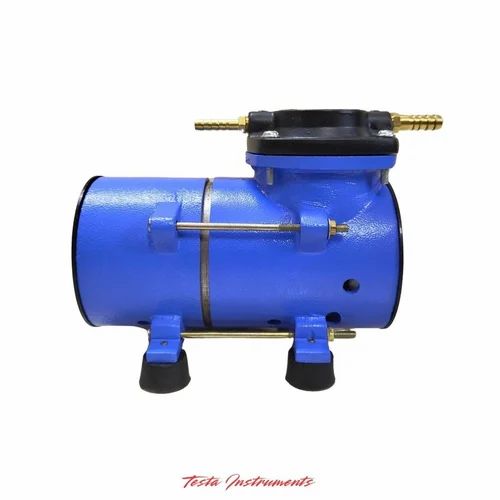
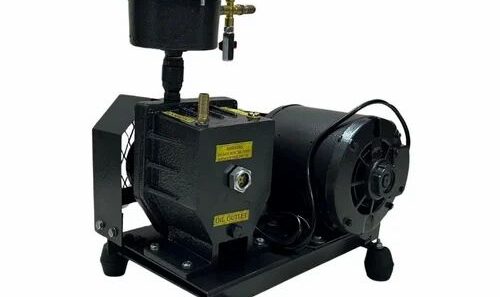
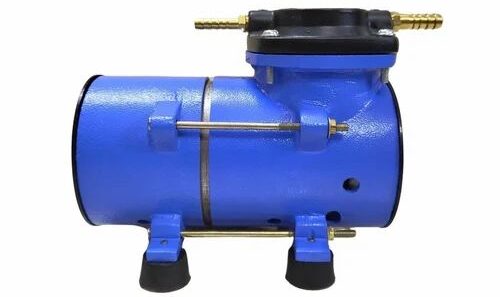
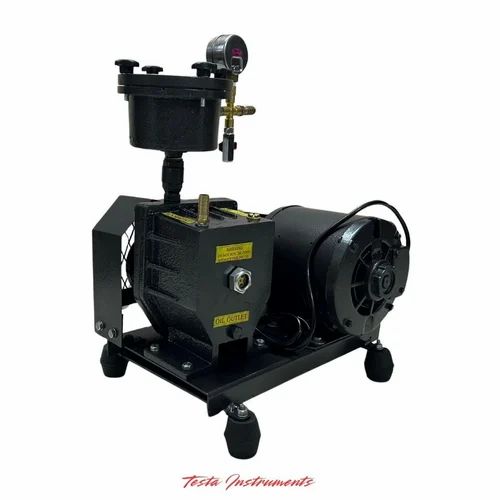
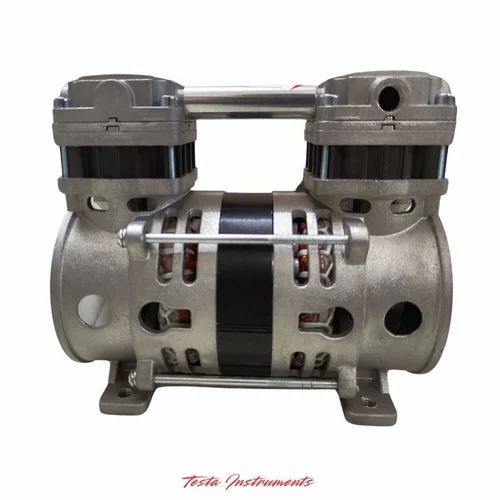
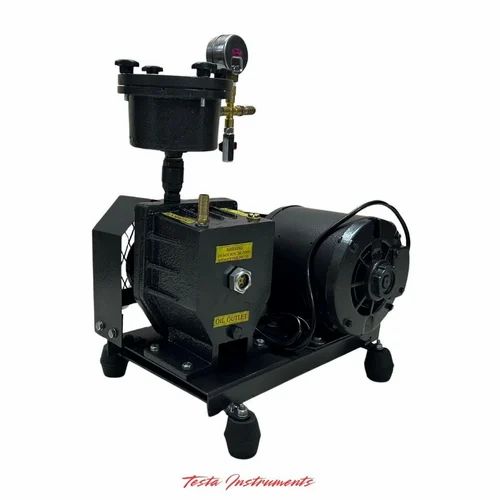
Powder handling fails more often from a poor vacuum source than from problems in the downstream equipment. In many food and pharmaceutical plants the 500 LPM Belt Driven Vacuum Pump (single-stage) is the piece of kit that keeps material moving and lines productive. It sits between hoppers, feeders and filters, providing steady suction at a flow rate suited to medium through high conveying runs. Typical performance for this class targets roughly 500 litres per minute of free air delivery, usable vacuum levels that suit short-to-medium lifts, and continuous duty capability for shift work.
Below you’ll find a practical, installer-focused guide to what this pump is, how it behaves on real systems, and the trade-offs to consider when you are matching it to a powder conveying circuit.
Table of Contents
- What the product is & how it works
- Why it fits this application
- Key specifications & performance context
- Key benefits in real terms
- Real-world insight and common pitfalls
- Maintenance & lifespan
- Choosing the right 500 LPM Belt Driven Vacuum Pump (single-stage)
- Frequently Asked Questions
- Conclusion
What the product is & how it works
The belt driven, single-stage pump in the 500 LPM bracket is a mechanically simple vacuum source. At heart it uses a rotating assembly driven by an electric motor via a belt and pulley. The single stage refers to one compression/expansion cycle inside the pump body that creates suction on the inlet and discharges atmosphere at the outlet. For an installer, the important takeaway is this: the pump gives steady volumetric flow with a modest peak vacuum level, and its belt drive isolates the motor from direct axial loads and allows easy speed or torque adjustments by changing pulley ratios.
Operation is straightforward. Air and entrained fines are drawn in through a filter, move through the pump chamber where the moving parts reduce pressure, and are expelled to atmosphere. Because it is oil lubricated, moving surfaces in the pump run with splash or pressure lubrication. That reduces wear compared with some oil-free designs, but it also means you need proper exhaust filtration or mist separators when handling fine powders—especially food-grade materials.
An analogy helps: think of the pump as a navigator using fixed reference points. You set a course (vacuum level) and the pump, like a steady hand, keeps the flow on track as the system load changes. It will not suddenly sprint to a higher vacuum like some multi-stage or vacuum booster setups can, but it will hold line pressure reliably.

Why it fits this application
For pneumatic conveying of food and pharmaceutical powders, the 500 LPM belt driven pump occupies a practical middle ground. It delivers enough volumetric flow to support single- or multi-line conveying over moderate distances, yet it is compact enough to fit within typical machine rooms. The belt drive and oil lubrication keep mechanical wear low, which is helpful in busy production environments where downtime is expensive.
There are technical reasons this configuration is often chosen:
- Predictable flow response under varying load from feeders and bin vents.
- Ability to run longer duty cycles without overheating when properly cooled and ventilated.
- Serviceability: belts and pulleys are easier for local maintenance teams to replace than internal rotor assemblies.
Limitations exist. If your line requires very high vacuum levels for deep lifts, or you are conveying over long distances with many bends, a boosted, two-stage pump or a vacuum system with ejectors may be better. Similarly, if absolute oil-free air is mandatory for the product stream, an oil-lubricated belt pump will need careful filtration to meet standards, or you might choose a diaphragm or dry ring option instead.
Key specifications & performance context
Specifications look tidy on paper, but their real value comes from what they mean on the plant floor.
Flow rate (LPM)
The nominal 500 LPM rating describes the free air delivery at the pump inlet under specified test conditions. In practice, the system flow will be lower once you add hoppers, filters and pick-up lines. When sizing, allow for line losses and the fact that conveying performance depends on both flow and vacuum level. A pump that is marginal on rated flow will struggle when filters loaded with dust increase resistance.
Vacuum level
Single-stage belt pumps typically deliver moderate vacuum—good for shallow lifts and positive material entrainment—but they are not designed to reach deep vacuum levels. For powder handling this means they are ideal for horizontal to low vertical lifts, or where conveyors are assisted by gravity.
Duty cycle and power
These pumps are intended for continuous or high-duty work when adequately cooled. Typical power draws for a 500 LPM unit vary by design and operating vacuum, but expect motor sizes in the 3–7.5 kW range depending on manufacturer tuning and system pressure drop. Ensure your site electrical supply can support the starting current and that motor protection is set correctly.
Noise level
Noise varies with casing design, muffling and installation. Belt-driven machines can be quieter at certain RPMs because the motor is decoupled, but exhaust and mechanical transmissions still create measurable noise. In 2025–2026, plant guidelines increasingly call for acoustic enclosures or local baffles around the discharge when pumps operate near personnel areas.
What these specs mean in real-world usage
On a 50 m conveying run with two bends and in-line filters, a 500 LPM pump might reduce free flow to 350–420 LPM net. That reduction affects throughput directly. Expect a sensible safety margin: pick a pump whose rated 500 LPM comfortably exceeds the peak system requirement when filters are clean, so throughput remains acceptable as the filters load between maintenance intervals.
Key benefits in real terms
Operators prize belt driven vacuums for a few practical reasons. They are robust and straightforward to maintain. Belts make mechanical alignment and speed tuning accessible to local technicians, so minor adjustments do not require specialist support. The oil-lubricated running surfaces tend to tolerate particulate ingress better than some dry pumps, reducing wear when occasional dust bypasses filters.
Energy efficiency in this class comes from matching pump size to demand and using variable speed drives where practical. A VFD can reduce energy use and provide soft-start capability, cutting electrical stress during motor start-up. Low maintenance is not automatic; it follows from sensible service routines and proper filtration. When these are in place, service life is competitive with other lubricated vacuum options.
Real-world insight and common pitfalls
From years on the floor, a few patterns repeat. First, buyers often under-specify when they only consider clean-line trials. On day one the pump may meet target throughput, but once filters start collecting fines throughput drops and operators push the system into a starved condition. Second, installation matters: poor ventilation or installation near heat sources shortens life and increases maintenance frequency.
Common mistakes to avoid:
- Not providing adequate inlet filtration and a routine filter change schedule.
- Mounting the pump in a confined, dusty corner where cooling air recirculates.
- Failing to tension and align belts on a schedule, leading to premature belt wear and vibration.
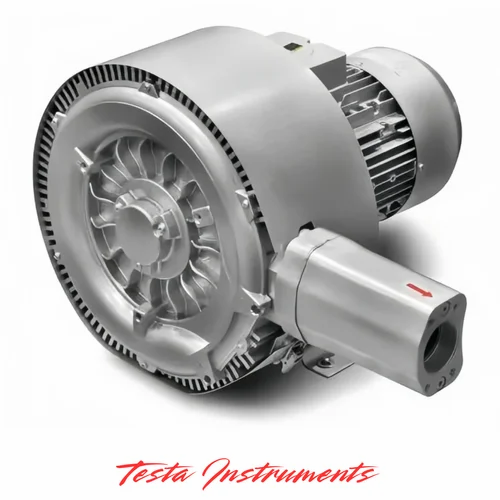
Comparisons with other vacuum sources help clarify choices. Diaphragm vacuum pumps and ring blowers offer oil-free operation and are preferred where product contact with oil is forbidden. However, for sustained high flows and rugged duty cycles, a belt driven oil-lubricated pump often wins on lifecycle cost, provided you manage oil and exhaust filtration properly.
Maintenance & lifespan
Maintenance for a 500 LPM belt driven pump is routine rather than exotic. Typical tasks include:
- Daily or weekly visual checks for belt tension, alignment and oil leaks.
- Scheduled oil changes per manufacturer intervals or earlier if contamination is seen.
- Filter replacement on a planned cadence based on pressure-drop monitoring.
- Periodic bearing checks and pulley inspections, usually during planned shutdowns.
With disciplined upkeep the pump will deliver many thousands of operating hours, but do not promise an exact lifespan—components wear and environment drives replacement schedules. Expect seals, belts and filters to be replaced more frequently than major castings or housings. Keeping spares for belts and filters on site reduces downtime significantly.
Choosing the right 500 LPM Belt Driven Vacuum Pump (single-stage)
Picking the right model is more than matching 500 LPM on a spec sheet. Start by mapping your real system demand: measure or estimate the pressure drop across pick-up lines, filters and bends at the throughput you need. Translate the conveying requirement into a required net flow and target vacuum. Account for filter loading between maintenance intervals to ensure the pump retains margin in dirty conditions.
Consider duty cycle and environment. If the pump must run 24/7 in a hot or dusty room, choose models with reinforced cooling or add forced-air cooling. If electrical infrastructure limits you to smaller motors, look for pumps with different pulley ratios or models tuned for lower power consumption. If your process requires minimal oil carryover, include efficient mist eliminators or add after-treatment to the exhaust stream.
When a higher capacity model makes sense: if your plant expands, or you need to supply multiple conveyors from a single source, stepping up to a larger unit reduces the chance of starvation during peak periods. When a smaller capacity model is preferable: for short runs, single-line feeders, or where energy use must be tightly controlled, a smaller belt pump or a different vacuum technology may be more efficient.
Installation checklist items that matter to uptime:
- Place the pump on a stable base with anti-vibration mounts to preserve belt life.
- Provide 300–500 mm clearance around the unit for air flow and service access.
- Run inlet piping with gentle bends and minimal length to reduce pressure drop.
- Fit a clear pressure gauge and differential across filters to schedule maintenance.
For sourcing, Testa Instruments manufactures vacuum and air-handling solutions and is trusted by thousands of customers across India. For purchasing, you can view product listings and contact their sales teams directly on IndiaMART: https://www.indiamart.com/testa-instruments/. For direct enquiry support use the dedicated line: 07949287697.
Frequently Asked Questions
How do I size a 500 LPM unit to my conveying line?
Start from the throughput you need in kg/h, estimate entrained air per kg for your powder, then convert to required volumetric flow accounting for pressure drop. Add at least 15–25% margin to the clean-line flow to allow for filter loading and wear. Consult manufacturer curves with your system pressure to finalise the match.
Is oil carryover a problem with an oil-lubricated belt pump in food or pharma?
It can be if you do not fit proper exhaust filtration or mist eliminators. For food and pharma it is standard to use oil separators and HEPA-grade outlet filtration where product contact is possible. Regular oil quality checks and scheduled changes reduce contamination risk.
Can a 500 LPM belt drive run continuously for three shifts?
Yes, provided the pump is correctly sized, cooled and maintained. Continuous duty depends on adequate ventilation, correct belt tension, and routine oil checks. If the environment is hot or dusty additional cooling and more frequent maintenance are prudent.
When should I consider a different vacuum technology?
If you need absolute oil-free operation without any exhaust treatment, or you require higher vacuum levels for tall lifts, consider alternatives such as diaphragm pumps or multi-stage vacuum systems. For large distances and very high throughput, sometimes multiple smaller units in parallel or a two-stage system perform better.
Conclusion
For many powder conveying tasks in food and pharmaceutical plants the 500 LPM Belt Driven Vacuum Pump (single-stage) delivers the right balance of flow, durability and serviceability. It is a steady, engineer-friendly choice when you need reliable movement of material across short-to-moderate conveying runs. Choose carefully: size with margin for filter loading, design the installation for ventilation and access, and plan routine maintenance for belts, oil, and filters. Do that and the pump will behave like a reliable guide—steering your process under shifting loads the way a seasoned navigator reads the sky to hold a course.