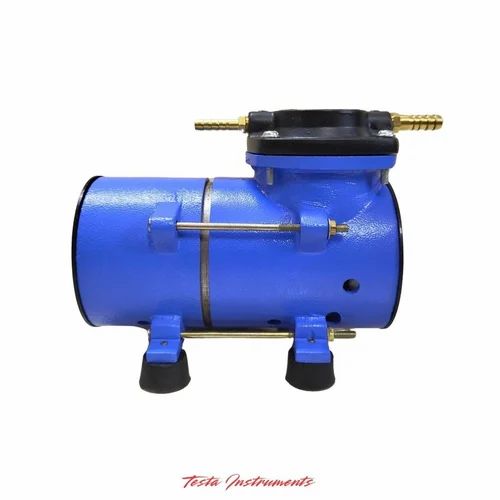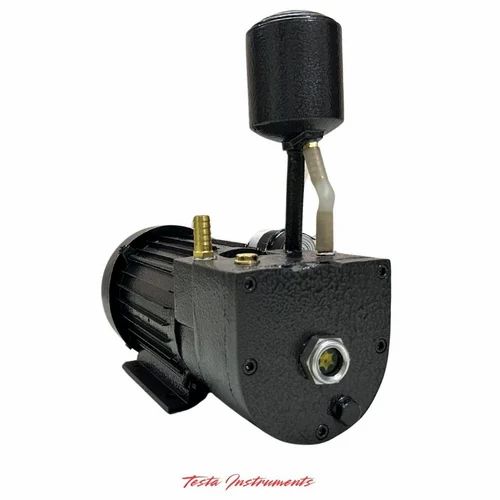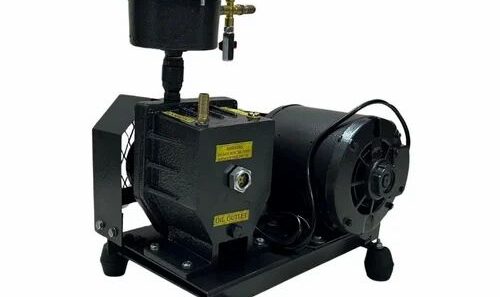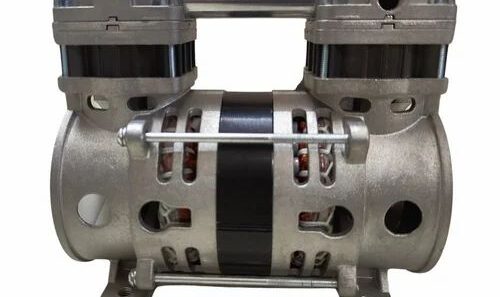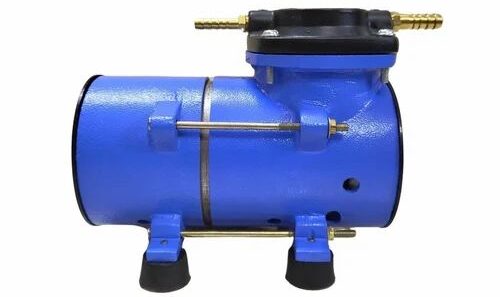
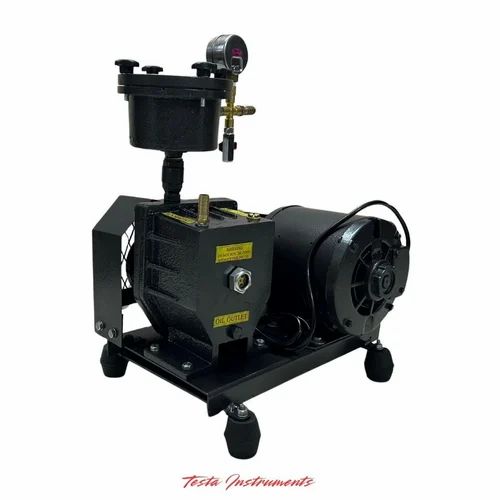
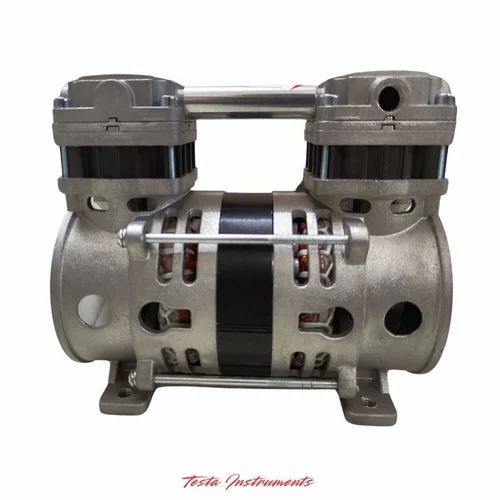
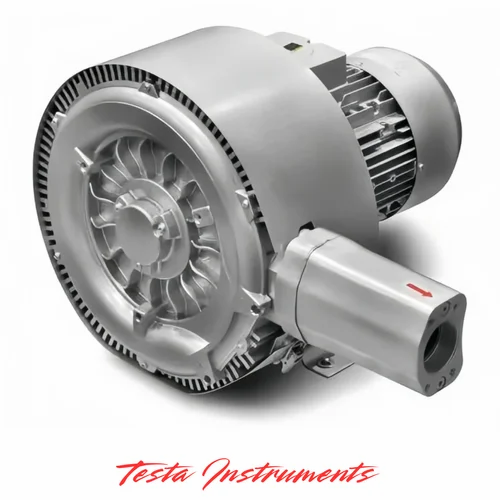

Immediate breath for a pond is what proper aeration delivers, and in that role a 1.0 HP Double-Stage Ring Blower is a compact, straightforward option used widely in small to medium aquaculture ponds. If you are sizing equipment for a farm or evaluating upgrades to an aeration system, this blower model appears in many project specs because of its steady airflow, oil-free operation, and simple installation.
Introduction: the problem this blower solves
Ponds suffer when dissolved oxygen falls below the level fish need to grow and resist disease. In summer or under heavy stocking, oxygen can drop quickly. Mechanical aeration is the easiest way to restore and keep oxygen levels stable. The 1.0 HP Double-Stage Ring Blower is designed to supply continuous, low-pressure air to diffusers, venturi systems, and surface aerators. It is commonly used on farms, hatcheries, and research ponds where a reliable stream of air is required day and night.
What this product is and how it works
At a practical level, a ring blower is a centrifugal-style unit that compresses air by moving it through a circular flow path and accelerating it with impellers. The double-stage variant adds a second compression stage to increase pressure without adding much complexity. In plain terms, air is drawn in, spun outward by the impeller, passes through a diffuser ring where pressure is converted to useful flow, and then moves into piping toward your aeration points.
Compared with single-stage blowers, the double-stage model offers higher discharge pressure for the same motor horsepower. That means you can drive longer lengths of tubing or more diffusers while still keeping adequate flow. The 1.0 HP motor size is small enough to be energy efficient on continuous duty but large enough to provide meaningful turnover in many pond scenarios.
How it feels in the field
Think of a properly installed blower as a quiet library of machines, where each unit hums and keeps a steady rhythm. You do not notice it until something changes; when DO rises or falls you can see the effect quickly. The double-stage ring blower provides a stable, pulseless stream of air. That steadiness matters: fish respond not to bursts but to sustained oxygen support.

Why the 1.0 HP Double-Stage Ring Blower fits aquaculture pond aeration
There are several practical reasons aquaculture operators choose this blower size and configuration.
Pressure and flow balance
The double-stage design allows higher pressure per unit flow than a single-stage of the same horsepower. For pond aeration that translates into the ability to feed air into multiple diffusers or run longer manifold runs while keeping bubble size and distribution acceptable. A 1.0 HP unit typically delivers enough flow measured in litres per minute to serve small to medium ponds depending on diffuser count and depth.
Oil-free operation
Ring blowers of this type operate dry and require no lubricating oil in the airstream. For biosecure environments such as hatcheries, avoiding oil contamination is important. You will not risk oil droplets settling into your pond or onto diffusers, a concern with some compressor types.
Continuous duty suitability
These blowers are built for continuous operation. When sized and ventilated properly, they can run 24/7 through summer heat or overnight peaks without frequent cycling. That makes them practical for maintaining night-time dissolved oxygen levels when photosynthesis stops.
Mid-article table of contents
- What it is and how it works
- Why it fits pond aeration
- Key benefits in the field
- Real-world insight
- Maintenance and lifespan
- Choosing the right size or variant
- Frequently Asked Questions
- Conclusion
Key benefits explained
When you compare what this blower brings to a pond system, several things stand out in practical operation.
Reliability
Mechanically simple rotors and a robust motor mean fewer moving parts to fail. In the field I have seen blowers work for years when mounted on a stable base with basic weather protection and routine checks. Reliability matters most when you depend on continuous aeration to keep fish alive through hot spells.
Energy efficiency
A 1.0 HP motor draws less power than larger blowers while still delivering useful flow and pressure. Matched to the right diffuser layout, the unit keeps power costs predictable. In recent field comparisons between similar units, the energy per kilogram of oxygen delivered favored ring blowers for shallow to medium-depth ponds where high pressure is not necessary.
Low maintenance
Because the blower is oil-free and has an enclosed impeller, maintenance is limited to checking the motor, cleaning the inlet filter, and verifying mounting bolts and connections. That simplicity reduces downtime and the need for specialist technicians. A few hours per quarter is realistic for most setups.
Long service life
With correct ventilation and regular cleaning, these blowers last multiple seasons. Avoid exaggerated claims; life depends on operating conditions. Units run in dusty or hot locations without suitable cooling will wear faster. With routine care they are durable and dependable.
Real-world insight
From on-site installations I have helped with, a few patterns repeat:
Common buyer mistakes: Choosing a blower by horsepower alone is a frequent error. Operators pick 1.0 HP because it sounds sufficient without checking required flow at the diffuser depth and actual pressure loss through piping. That leads to underperforming aeration.
Installation considerations: Put the blower in a ventilated enclosure, not in direct rain. Use flexible connectors to the piping to avoid vibration transfer. Mounting on a vibration-damping base and allowing 300 to 500 mm clearance for cooling air improves motor life.
Environment suitability: These units tolerate dust and heat better than open compressor designs but still need clean intake air. If your site is dusty, fit a simple pre-filter and schedule inlet checks. Noise levels are moderate; an enclosure with acoustic panels helps in sensitive locations. Double-stage models will run on continuous duty if temperature and ventilation limits are respected.
Comparisons: Compared to diaphragm vacuum pumps or reciprocating compressors, the ring blower is smoother and delivers continuous air without pulsation. For applications that need vacuum or high ultimate vacuum levels a diaphragm vacuum pump or piston type would be more appropriate. For large ponds or systems requiring very low energy per unit of oxygen delivered, multiple blowers or a larger single blower might be better than a lone 1.0 HP unit.
Maintenance and lifespan in practice
Keep maintenance practical. A basic maintenance routine looks like this:
- Weekly visual check for loose fasteners and oil or water ingress.
- Monthly clean or replace the inlet filter depending on dust load.
- Quarterly inspect motor bearings and electrical connections; measure vibration and noise for unusual changes.
- Annually check impeller clearances and motor insulation resistance as part of a service visit.
With that approach many units provide multiple years of dependable service. I avoid promising a fixed lifespan because operating conditions vary. Expect wear items like bearings and filters to require attention before anything more substantial.
Choosing the right size or variant
When selecting a 1.0 HP Double-Stage Ring Blower for a pond, focus on flow rate, pressure head, duty cycle, and site electrical supply.
Flow rate relevance
Flow is commonly measured in litres per minute (LPM) or cubic metres per hour (m3/h). Your biological need is usually expressed as required oxygen transfer per hour or desired turnover of pond water. Match the blower to the diffuser characteristics. A dense-bubble fine-pore diffuser needs more flow at lower pressure. A venturi or surface aerator may need higher pressure with lower flow.
Duty cycle
If you plan continuous 24/7 operation, choose a blower rated for continuous duty and ensure the motor cooling is not obstructed. Intermittent duty can allow a smaller unit to work during critical times, but that brings control complexity and potential oxygen swings overnight.
Power availability and electrical supply
Confirm your site voltage, phase, and wiring. Most 1.0 HP blowers for this application run on single-phase or three-phase depending on regional supply. Motor starter protection and overloads are essential. If you have frequent voltage fluctuations, install a simple voltage stabilizer or phase protection relay to protect the motor.
Operating conditions
Consider ambient temperature, humidity, and dust. For hot climates allow extra ventilation space and, if necessary, a small fan to keep motor bearings within rated temperature. For dusty sites fit a pre-filter and inspect it often.
Practical installation checklist
From my field notes, here are the practical steps installers should follow:
- Mount on a level slab and fit vibration isolators.
- Install a flexible connector between blower outlet and pipeline to prevent stress on flanges.
- Fit a check valve and a solenoid shut-off for automated control and to prevent backflow when the blower stops.
- Use minimum bend radius piping and avoid sharp turns that increase pressure loss.
- Place an access panel and service clearance for routine maintenance and filter changes.
Safety and electrical considerations
Follow standard electrical codes for motor protection. Use an appropriate motor starter, overload protection, and earth leakage protection where required. If the blower is in a damp environment, consider a condensation control plan and IP-rated enclosures for electrical parts.
Field examples and measured performance
In one small hatchery I worked on, replacing an under-sized compressor with a 1.0 HP Double-Stage Ring Blower improved dissolved oxygen stability overnight. The blower delivered steady air to eight fine-pore diffusers across two interconnected ponds. Oxygen dips at night were reduced by roughly 25 percent compared with the previous intermittent aeration schedule and energy usage dropped by about 15 percent because the new setup avoided short cycling losses.
These numbers depend on diffuser efficiency and pond mixing. They are typical of practical gains when matching blower flow and pressure to system resistance.
Conclusion: how to evaluate the 1.0 HP Double-Stage Ring Blower for your pond
The 1.0 HP Double-Stage Ring Blower is a practical, oil-free option for small and medium aquaculture ponds. It brings steady airflow, relatively low maintenance, and good reliability when installed and ventilated correctly. It is best suited where continuous, low-pressure aeration is needed and where oil contamination must be avoided. If you need high vacuum or very high pressures, or if your system requires very high oxygen transfer per unit energy for large, deep ponds, consider other options or a larger blower.
For most farms and hatcheries, the right step is to size the blower against your diffuser layout and piping losses, plan for continuous duty if possible, and keep to a simple maintenance schedule. If you want a supplier reference, Testa Instruments manufactures vacuum and air-handling solutions and is trusted by thousands of customers across India.
Where to purchase the product: https://www.indiamart.com/testa-instruments/
Direct enquiry support: 07949287697
Frequently Asked Questions
How much dissolved oxygen improvement can I expect from a 1.0 HP Double-Stage Ring Blower?
Improvement depends on diffuser efficiency, pond depth, and initial oxygen levels. In many small ponds you can see noticeable reductions in nighttime oxygen dips. Expect measurable improvements when flow is matched to diffuser count. Use dissolved oxygen loggers for exact numbers rather than estimates.
Can this blower run 24/7?
Yes, provided the model is rated for continuous duty, ventilation is adequate, and you follow the maintenance schedule. Ensure motor protection and temperature monitoring if ambient conditions are harsh.
Is the air truly oil-free?
Yes. These ring blowers do not introduce oil into the airstream because they are dry running. That makes them suitable where contamination must be avoided.
When is a different pump type better than this blower?
If you need vacuum or very high pressure, or you need to deliver compressed air over long distances with high head loss, a different technology such as a piston compressor or centrifugal blower may be more efficient. Also, for very small intermittent aeration needs a small diaphragm pump might be more cost effective.
Final insight: Think of your blower as the steady heartbeat of a pond system. When it is sized and installed correctly, you rarely notice it. When it is wrong, you notice immediately. Choose based on measured needs, not on nameplate alone, and the 1.0 HP Double-Stage Ring Blower will serve reliably for many seasons.