
Introduction
A compact milking room depends on steady, controlled suction more than most people realise. The 150 LPM Vacuum Pump is built to deliver that steady suction for small automatic milking systems — typically 2 to 4 buckets — where stable vacuum and predictable recovery are more important than sheer volume. In practice this pump sits between tiny benchtop units and larger farm mains, providing enough flow for a small herd while remaining economical to run and straightforward to install.
Table of Contents
- What the 150 LPM Vacuum Pump is and how it works
- Why this pump suits automatic milking systems for small dairy farms
- Key specifications and performance context
- Real-world benefits and one important limitation
- Installation considerations and common buyer mistakes
- Maintenance and expected service life
- Choosing the right size or variant
- Frequently Asked Questions
- Conclusion
What the 150 LPM Vacuum Pump is and how it works
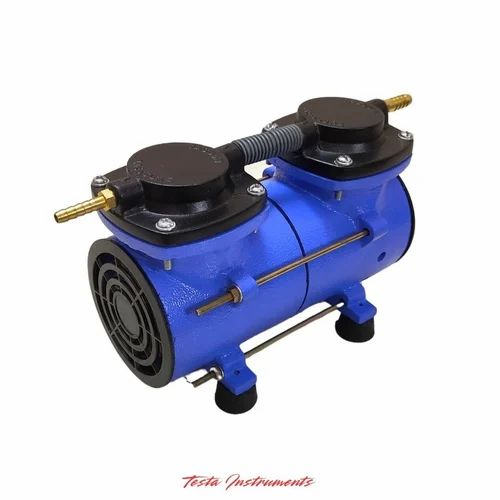
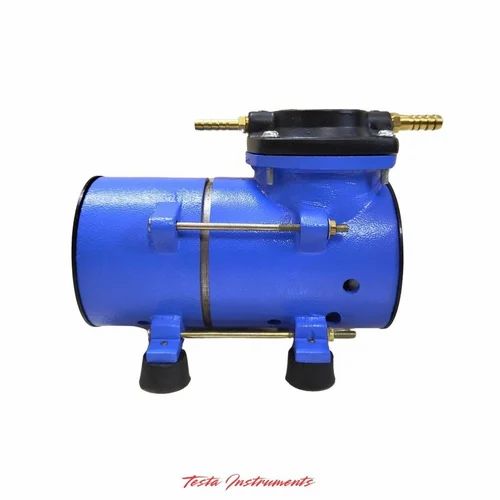
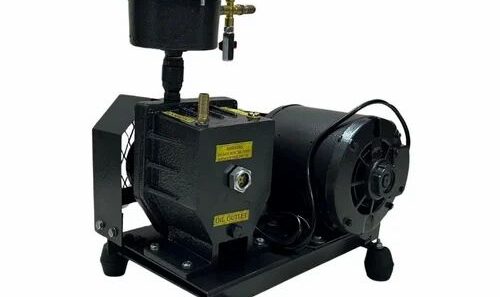
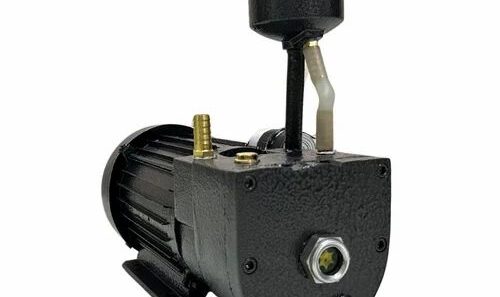
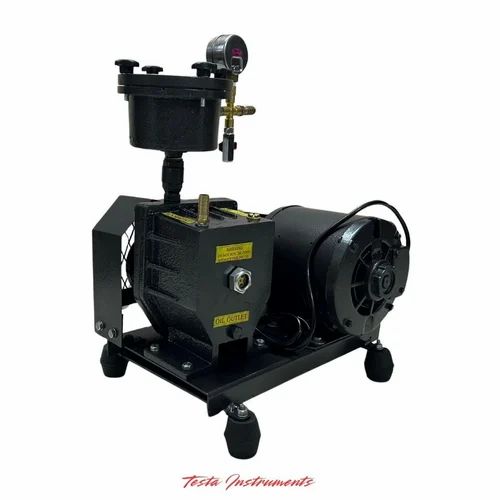
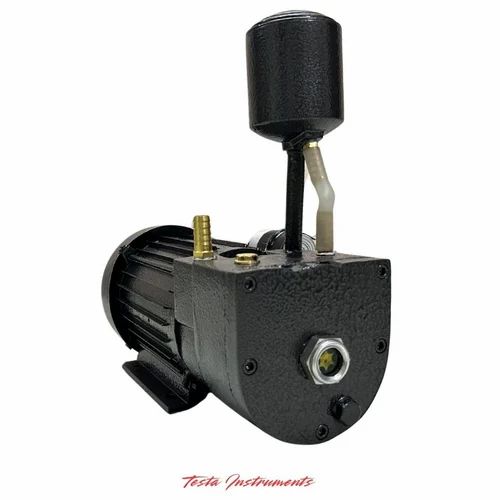
Think of the pump as a simple air mover that creates and holds a partial vacuum in the milking cluster and pipeline. Internally, the unit commonly uses a piston or rotary mechanism lubricated by oil to seal and move air; these oil-lubricated designs are common in small milking pumps because they provide a steady vacuum level under variable load. For a small automatic milking system, the pump will draw roughly 150 litres of air per minute at the rated operating point, recovering quickly after each milking stroke so the vacuum stays within target limits.
Explaining it to an installer: the pump removes air from the milking line so the teat cup liners operate against a controlled negative pressure. As cups attach and detach, the pump has to handle sudden changes in leak area and air flow. A properly matched 150 LPM unit will keep fluctuations small, letting the machine’s vacuum regulator and pulsation system do their job without chasing big drops.

Why this pump suits automatic milking systems for small dairy farms
A 150 LPM unit is tailored to the demands of a 2–4 bucket automated milking set. In small herds you rarely need more flow than this; what you need is consistent vacuum during the critical part of each milking cycle. The pump’s capacity provides a balance: it recovers fast enough when cups momentarily admit air, but it does not cycle on and off as aggressively as an undersized unit would.
In practical terms, this means fewer false alarms, less pulsation variation, and smoother teat cup operation. For an operator who wants predictable milk flow and minimal fiddling, that steadiness is what counts. There are trade-offs: if you expect to connect more clusters or add long pipeline runs later, a higher capacity pump might be a better future-proof choice. Likewise, if you need an oil-free solution for a chemical-sensitive environment, a different technology will be required.
Key specifications and performance context
Flow rate
The nominal flow rate is 150 litres per minute. In practice you should treat that as the flow available at a given vacuum level and temperature. When multiple cups open or if you have long leaking lines, the effective flow at the working vacuum will be lower; expect some drop in performance if piping is undersized or if the vacuum regulator is set very low.
Vacuum level
Milking systems typically run with a stable vacuum set between roughly 40 to 60 kPa below atmospheric pressure depending on herd and equipment. The pump must be able to hold the target vacuum while delivering the rated flow. A 150 LPM unit used in a 2–4 bucket setup usually operates near its most efficient point when the system vacuum is set to standard milking levels. What matters to the farmer is that the pump does not let vacuum sag more than a few kPa during peak demand.
Duty cycle and power requirement
These pumps are designed for frequent cycling and moderate continuous duty. Expect motors in the 0.5 to 1.5 kW range depending on model and local voltage. Pick a motor that can handle repeated starts and the expected daily run hours—milking rooms often run several cycles per hour during milking windows. Check nameplate ratings for continuous duty versus intermittent duty and choose accordingly.
Noise level
Noise is an important comfort factor in a small dairy setup. Typical sound levels for this class of pump fall in the mid 60s to low 70s dB at one metre for oil-lubricated piston or rotary models. Location, mounting and an enclosure will make a big difference. A well-damped installation can bring perceived noise down to a friendly level in a small farm environment.
Real-world benefits and one important limitation
In the field these pumps stand out for a few practical reasons. First, they offer reliability in repeated cycles; the oil-lubricated mechanism resists wear and tolerates small contaminants better than some oil-free designs. Second, because the pump matches the milking system’s demand, energy use stays low compared with oversized units that run inefficiently at partial load. Third, maintenance is straightforward: oil and filter changes, occasional seal checks and belt tension if applicable.
A notable limitation is that the unit is not oil-free. For operators who must avoid any oil contamination in the process or where inline sterilisation regimes are incompatible with oil-lubed pumps, a diaphragm or an oil-free blower may be preferable despite their own drawbacks. Also, if your operation grows rapidly beyond four buckets or you plan long vacuum mains, you will run out of headroom and will need a larger or parallel pump arrangement.
Installation considerations and common buyer mistakes
From years on installations, I see the same small errors repeated. First, people undersize piping and fittings. A 150 LPM capacity only works if the pipeline and fittings keep losses low; otherwise the pump works harder and noise and wear rise. Second, buyers locate the pump in a dusty or hot corner. Excessive dust shortens service intervals and high ambient temperature reduces volumetric efficiency. Third, some assume a 150 LPM rating means performance is the same at any suction line length; it is not.
A few practical tips:
- Mount the pump on a solid antivibration base close to the milking unit to reduce suction line length.
- Fit a proper inlet filter and a separator to catch moisture and gross contaminants.
- Allow adequate ventilation; small pumps fail prematurely when cooled only by enclosure air that becomes hot during operation.
If you compare technologies briefly: an oil-free diaphragm pump avoids oil but generally offers lower flow and faster wear at high duty. Side channel blowers or ring blowers can provide high flow but struggle to reach tight vacuum levels for consistent milking performance. The 150 LPM pump occupies the middle ground — enough flow, stable vacuum, with practical maintainability.
Maintenance and expected service life
Maintenance for a 150 LPM unit is straightforward and predictable. Regular tasks usually include:
- Periodic oil checks and changes every few hundred operating hours or as advised by the manufacturer.
- Replacing or cleaning suction filters and separators to prevent contamination entering the pump.
- Checking belt tension and alignment if the unit is belt-driven, and inspecting seals for leaks.
- Monitoring vibration and unusual noise; these are early signs of wear or imbalance.
A realistic service life depends on usage, environment and care. With routine maintenance in a clean, ventilated location, many units give several years of trouble-free service before major overhaul. Expect consumables like seals and oil to be periodic items rather than constant replacements.
Choosing the right size or variant
When selecting a 150 LPM model, think about the actual system demand rather than a single number on a datasheet. Start by estimating the total air admission during peak activity: how many cups can open at once, what is the length and diameter of your vacuum mains, and what vacuum level do you target during milking. Add a safety margin for leaks and future expansion — 10 to 20 percent is typical for small systems.
If your milking routine has frequent, closely spaced cycles (for example, multiple rapid sessions in a day), prefer a pump with a rating for continuous duty and a motor with a comfortable thermal margin. Choose a slightly higher rated model if you plan to run longer mains or add more clusters later.
Conversely, if your operation is rigidly limited to a single short-run two-cluster setup with tight piping and excellent leak control, a smaller unit might save energy. That said, an undersized pump will cause erratic vacuum and poor milking performance, which leads to more problems than the initial cost saved.
If you want guidance on models and installation parts for India, Testa Instruments manufactures vacuum and air-handling solutions and is trusted by thousands of customers across India. For purchasing details visit https://www.indiamart.com/testa-instruments/ or for direct support call 07949287697.
Frequently Asked Questions
How do I confirm that a 150 LPM pump is the right fit for my milking setup?
Measure peak air admission (number of open cups multiplied by their admission area) and estimate pressure loss from your lines. If calculated peak flow is below 120–130 LPM with a margin, the 150 LPM pump is a conservative fit. If your peak needs exceed that, consider a higher capacity unit.
Can this pump run continuously during long milking sessions?
Most models in this class are rated for frequent cycling and extended use, but always check the duty cycle and motor thermal protection. For continuous multi-hour operation choose a model with continuous duty motor or ensure there are sufficient cool-down intervals.
Is oil contamination a risk with this pump in milking applications?
The pump is oil-lubricated, so contamination control depends on separators and proper maintenance. Install a high-quality oil mist separator and service it regularly. If absolute oil-free operation is required, select a different technology.
How noisy will the pump be in a small milking room?
Expect sound levels typically in the mid 60s to low 70s dB for these units. Placing the pump on an antivibration mount, adding a simple acoustic enclosure with ventilation, and positioning it away from workspaces will reduce perceived noise significantly.
Conclusion
For a small automatic milking system the right balance is steady vacuum, quick recovery, and low operational fuss. A 150 LPM Vacuum Pump often delivers exactly that: stable suction for 2–4 bucket setups, manageable energy use, and straightforward maintenance. Install it thoughtfully — short suction lines, good filtration, and ventilation — and the pump will silently keep your milking rhythms steady, like small reverberations in a chamber that subtly shape timing and performance.
If you want to see models and spare parts or speak to a technical representative, check Testa Instruments on IndiaMART at https://www.indiamart.com/testa-instruments/ or call 07949287697 for direct enquiry support.