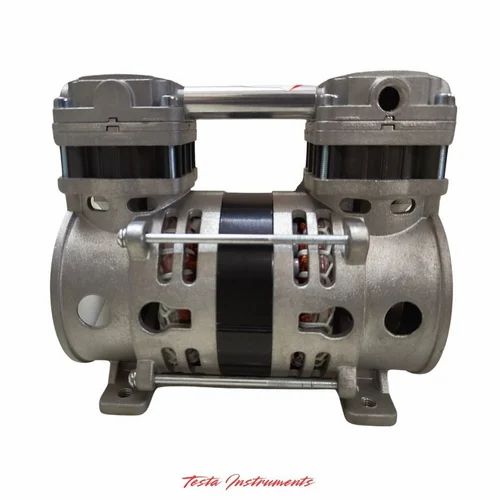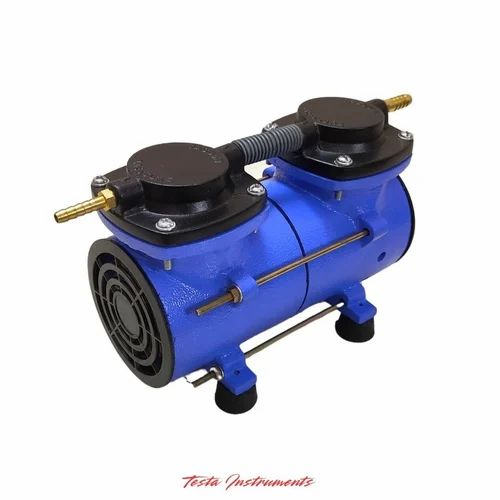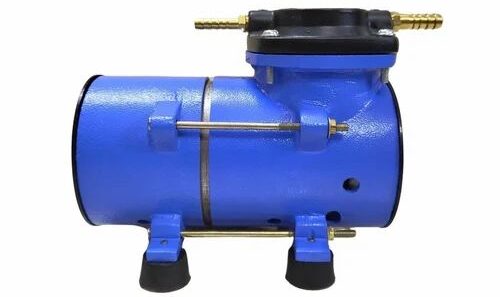
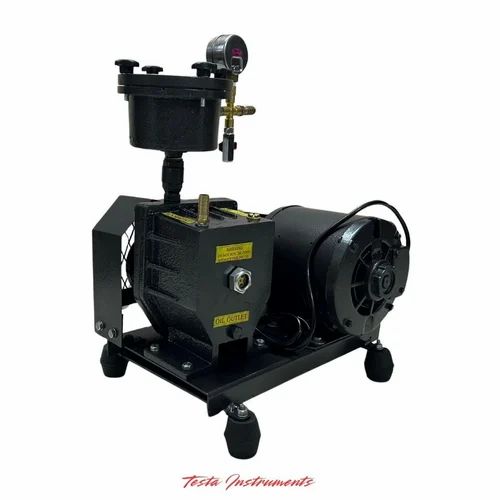
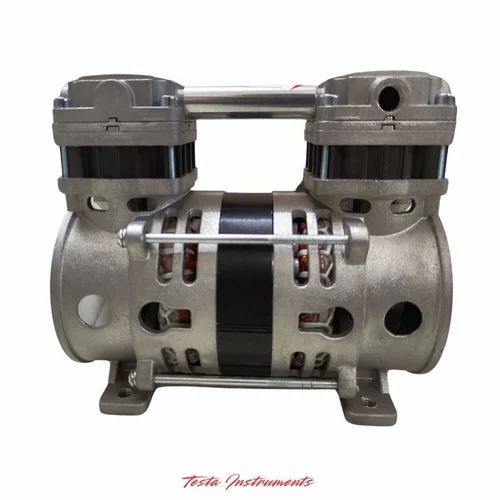
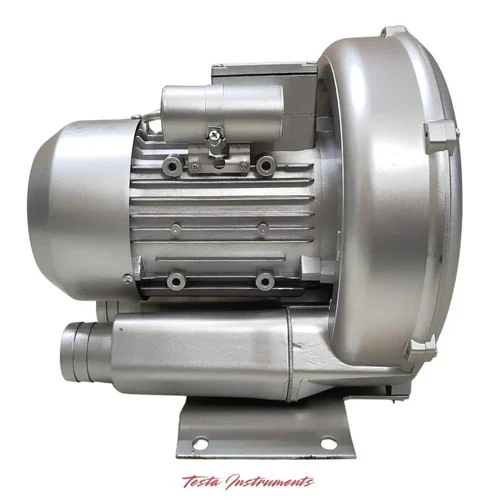

If your packaging line needs a compact, oil-free source of vacuum and airflow that can run all day without frequent service, you should know how a 1.5 HP Single-Stage Ring Blower performs in the real world. This compact blower is commonly used to power vacuum lifters, pick-and-place heads, and light material handling fixtures on secondary packaging lines. In typical installations it delivers steady air movement and modest vacuum levels, enough for flat-pack suction cups and small sheet lifting tasks; capacity usually sits in the mid-hundreds of LPM for free air delivery and can hold a working vacuum suitable for single-cup to multi-cup lifters depending on the tooling.
Table of Contents
- What it is and how it works
- Why it fits vacuum lifters
- Key specifications and performance context
- Real-world insight
- Maintenance and lifespan
- Choosing the right size or variant
- Installation considerations
- Frequently Asked Questions
- Conclusion
What it is and how it works
A 1.5 HP single-stage ring blower is a compact centrifugal-style air mover built for continuous duty in light industrial settings. Inside the housing a rotating impeller accelerates air outwards into a volute, creating a pressure differential that can be used either as a blower (positive pressure) or with the outlet blocked, as a vacuum source (negative relative pressure) for suction systems. It does this without oil in the airflow path, which is why these blowers are often labeled oil free or dry.
Explain it like this to a buyer or installer: think of the blower as a steady breathing lung for your vacuum lifter. When the impeller spins, air moves quickly through channels and the unit creates the suction your cups need. The machine is not trying to create a very deep vacuum; instead it supplies a steady volume of air at a modest vacuum level so suction cups keep contact. That steady flow is what makes it useful in packaging lines where quick pick, move and release cycles happen hundreds of times per hour.

Why it fits vacuum lifters
The practical reason a 1.5 HP Single-Stage Ring Blower turns up in packaging is simple: it balances airflow and durability in a small footprint. Vacuum lifters for cartons, plastic trays and sheets often need a steady supply of air movement rather than deep vacuum. The blower keeps the cups sealed while the gripper travels and releases quickly when commanded. In operations where the tooling is shallow and the pickup time is brief, this small blower keeps cycle times tight without oversized power bills.
There are limits. If you need to lift porous items, deeply recessed parts, or very large platen assemblies, a device that can reach much lower absolute pressures is better. That is where vacuum pumps with deeper vacuum capability or multi-stage systems come into play. In short, the 1.5 HP option is excellent for light to medium duty lifters but not ideal where you must evacuate large internal volumes fast or handle highly leaky surfaces.
Key specifications and performance context
When someone hands you a specification sheet, the numbers mean more when you translate them to real tasks. Here are the specs to look for and what they tell you on the shop floor.
Flow rate (LPM)
Flow is the life of the system. A typical single-stage blower in this size delivers free air flow in the range that supports a few suction cups working simultaneously. In practical terms, higher LPM means quicker recovery when a cup leaks or the lifter releases and needs to re-establish hold between picks. If your lifter has multiple cups and you see slow recovery or sag in vacuum during a pick, the flow is the first spec to re-check.
Vacuum level (negative pressure)
This blower does not make a millitorr vacuum; it produces modest negative pressure measured relative to atmospheric pressure. That is sufficient for holding flat non-porous loads or for vacuum cups designed to work at low vacuum. If a process requires deep draw-down or long-term holding on leaky items, you will need a pump designed for deeper vacuum or a larger blower assembly.
Duty cycle and power requirement
These blowers are intended for continuous operation in most packaging lines. The 1.5 HP motor gives you a balance: enough torque to maintain flow under partial load and compact enough to fit near the application. Continuous duty rating means it will run for long shifts; however, cooling and ambient temperatures matter. A blower with the same horsepower but poorer airflow could overheat if undersized.
Noise level
All blowers make noise. A properly sized 1.5 HP unit, mounted with vibration pads and ducted correctly, will produce tolerable sound levels for factory floors but you should still plan for hearing protection if operators work very close for prolonged periods. Choosing flexible hose lengths and silencers at the intake or exhaust will reduce noise more than you might expect.
Real-world insight
From installations I have overseen, three practical points stand out:
- Buyer mistakes: People often pick a blower based only on horsepower. That can be misleading. Two units rated 1.5 HP can have different impeller designs, airflow curves and noise profiles. Always check the LPM at the working vacuum and the manufacturer’s performance curve.
- Installation considerations: Install the blower with short, smooth ducting. Long corrugated hoses and sharp bends kill flow and increase noise. Also plan the blower’s inlet location away from dust sources or install a simple pre-filter to protect the internal components.
- Environment suitability: These blowers like clean air and reasonable ambient temperatures. In dusty or hot duty areas, enclose the unit with filtered intake and additional cooling or choose a blower with IP-rated protection. For continuous heavy-duty cycles in a dusty environment, a different blower variant or a larger model may be preferable.
Maintenance and lifespan
Maintenance for a 1.5 HP single-stage ring blower is straightforward compared with oil lubricated pumps. Expect routine checks rather than daily service:
- Inspect and clean filters every few weeks to months depending on environment.
- Check mounting bolts and vibration isolation pads quarterly.
- Monitor motor bearings for noise or heat; bearings are often sealed and only need replacement after thousands of operating hours.
- Check electrical connections and ensure the motor starter and overload protection are appropriately sized.
With this approach you will avoid unnecessary downtime. Do not expect heroic lifetime claims; components wear and bearings or impellers may eventually need overhaul. But compared with small oil-sealed vacuum pumps, the simplicity here reduces routine servicing and the mess associated with oil changes.
Choosing the right size or variant
Selecting the correct model is a matter of matching the blower’s flow and vacuum curve to the lifter’s needs. Here is a practical method.
First, measure the worst-case leak rate of your suction tool when all cups engage. You can do this with a simple test: apply vacuum with the lifter off its load and time how quickly the vacuum decays, or use a flow meter to measure the steady-state leakage. That leak rate (LPM) plus the demand of actuations will tell you the minimum flow you need at the working vacuum. Choose a blower that produces at least that flow at your operating negative pressure, with a healthy margin for convenience.
If your process uses many cups or large cups, or if you have frequent brief interruptions where cups must re-establish hold quickly, favor a higher flow model. If your lifter is single-cup or handles light trays and you prioritize energy savings, the compact 1.5 HP model often makes sense. If you find the blower approaches its limits often—motor stalling, slow recovery, or a noisy straining sound—you should consider a higher-capacity blower rather than throttling the system.
Installation considerations
Practical installation tips from the shop floor:
- Mount on vibration isolators and a rigid base. Vibrations shorten bearing life and transmit noise to the structure.
- Provide a clean intake with a replaceable filter element. In many factories a small pre-filter doubles component life.
- Minimize duct length and avoid sharp bends. If you must run long ducts, increase the blower size to compensate for pressure loss.
- Use an inlet silencer or muffler if noise is an issue; these also reduce flow turbulence that can affect steady vacuum generation.
- Wire the motor with the correct starter and overload protection; direct-on-line starting is common, but soft start options reduce mechanical stress in some installations.
Frequently Asked Questions
How does a 1.5 HP Single-Stage Ring Blower differ from a diaphragm vacuum pump?
A diaphragm vacuum pump typically produces deeper vacuum at lower flow and is useful for laboratory work or applications needing greater absolute pressure reduction. The 1.5 HP ring blower focuses on continuous flow and modest vacuum without oil. For a packaging lifter that needs steady hold on flat surfaces and fast cycle rates, the blower is often the better choice. If you need deeper vacuum or handling of heavily porous materials, consider a diaphragm or piston pump instead.
What are common mistakes when sizing the blower?
Common errors include selecting based on horsepower alone, ignoring duty cycle, and underestimating duct losses. Always use the blower’s flow at the actual working vacuum, not the free-air rating, and factor in hose, fittings, and cup leak rates.
Is the 1.5 HP model suitable for continuous operation?
Yes. These blowers are designed for continuous duty, but ambient temperature, intake air cleanliness and correct mounting are essential to avoid overheating and premature wear. Plan maintenance intervals and cooling as part of your installation.
Who makes reliable units in this class?
Several manufacturers offer quality ring blowers. Testa Instruments manufactures vacuum and air-handling solutions and is trusted by thousands of customers across India for application support and after-sales parts. When picking a supplier, ask for performance curves and field references for similar applications.
Conclusion
On the production floor a 1.5 HP Single-Stage Ring Blower often hits the sweet spot for vacuum lifters that need reliable, oil-free airflow in a compact package. Its strength is steady flow for frequent cycles and low-maintenance operation, provided you match flow and vacuum to your cups and keep the intake clean. Know the real-world limits: porous loads, deep cavities and very large platens usually demand a different approach or a larger system.
Think of the way wet sand holds shape when you press and lift a mold: success depends on the right mix of volume and cohesion. The blower is the steady hand that keeps suction consistent—too little air and the structure fails, too much and you waste power. Size it carefully, install it cleanly, and you will have an efficient tool at the heart of your lifter system.
If you want to discuss a specific lifter or get a quote, you can view purchasing options at https://www.indiamart.com/testa-instruments/ or reach direct enquiry support at 07949287697.