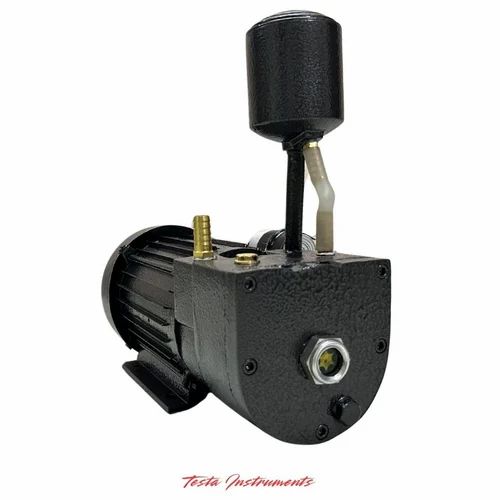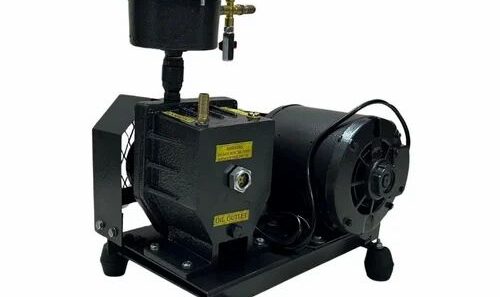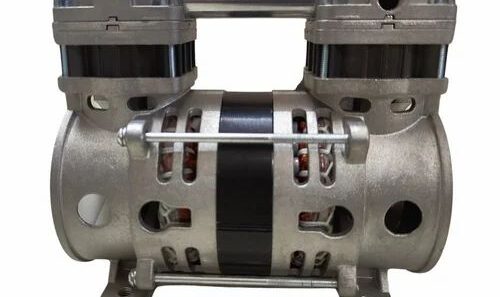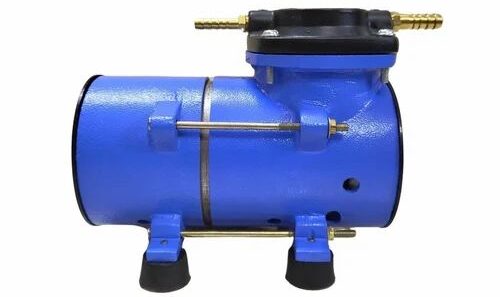
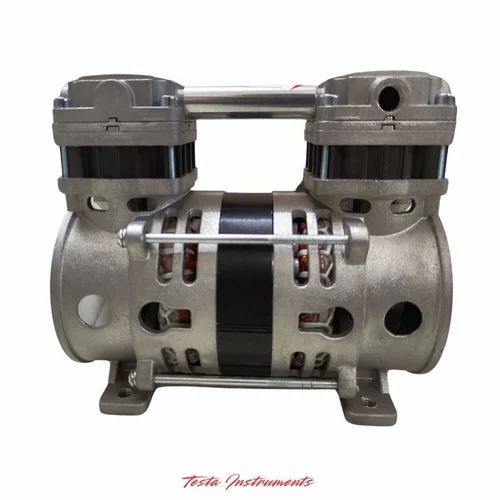
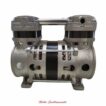
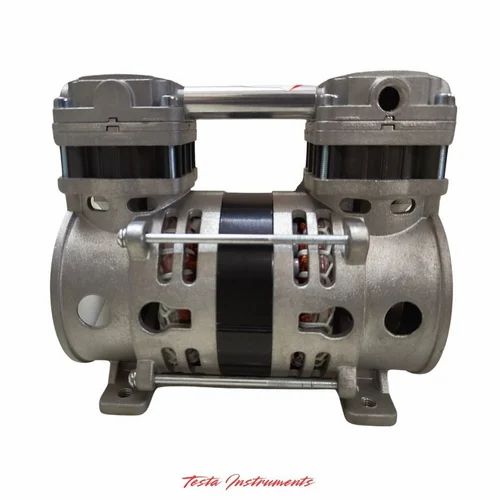

Picking the right pump is the difference between a smooth filtration run and hours of rework. In many labs a compact, reliable pump is required specifically for Buchner funnel and membrane filtration. The 30 LPM oil-free rocking piston vacuum pump sits in a performance window that matches single-station lab filtration and small parallel setups, offering steady suction without oil contamination.
Table of Contents
- What the pump is and how it works
- Why the 30 LPM oil-free rocking piston vacuum pump fits laboratory vacuum filtration
- Key specifications and what they mean in the lab
- Benefits you can expect in daily use
- Real-world insights and common buyer mistakes
- Maintenance and reasonable lifespan expectations
- Choosing the 30 LPM oil-free rocking piston vacuum pump size for your setup
- Frequently Asked Questions
- Conclusion
What the pump is and how it works
Think of this pump as a small mechanical heart for suction. The rocking piston design uses a piston that oscillates in a chamber, timed with valves that let air out while preventing backflow. Each stroke slightly changes the chamber volume and creates pressure differential, which draws air and vapour from the filtration flask. Because the moving parts are designed to run dry, there is no lubricating oil inside the vacuum path, which keeps filtrates free of oil traces — a practical requirement for many analytical and biological workflows.
Explaining it to a buyer or installer: picture a child’s seesaw in a restricted box. As the seesaw tilts, the volume available to air changes and is expelled through an outlet valve. It is simple, compact and serviceable. That simplicity is why labs often prefer piston designs for small-volume, frequent filtration tasks.

Why the 30 LPM oil-free rocking piston vacuum pump fits laboratory vacuum filtration
For Buchner funnel and membrane filtration, you need predictable drawdown, minimal contamination risk and the ability to run many short cycles across a workday. A unit rated around thirty litres per minute provides a steady airflow that matches the internal volume of most single-station filtration setups, while allowing a reasonable vacuum level for common filter media.
This design responds quickly to small changes in system pressure, which helps avoid abrupt flow surges that can disturb filter cakes or shear delicate membranes. Because it is oil-free, there is no risk of oil vapour passing through a filter and contaminating samples. In practice, that means less downtime cleaning glassware and fewer compromised samples.
There are limits, though. If your lab runs multiple parallel Buchner funnels or a vacuum manifold with several membrane holders simultaneously, a higher flow or a multi-stage solution may be more appropriate. Likewise, when you need deep vacuum levels for specialized evaporation or freeze-drying, a different pump type or larger capacity is required.
Key specifications and what they mean in the lab
Manufacturers list figures that may look abstract until you place them in context. Here’s how to read the important ones for daily use.
Flow rate (LPM)
Flow rate tells you how much air the pump moves when it is not under heavy restriction. For a 30 LPM unit, assume effective suction for a single Buchner funnel or a small membrane assembly. If your setup includes long lines, multiple stopcocks or large-volume flasks, the effective throughput drops — so allow extra margin.
Ultimate vacuum and working vacuum
Two numbers matter: the deepest vacuum the pump can reach in a tightly sealed system, and the working vacuum under a normal filtration load. Most rocking piston pumps in this range will reach modest vacuum levels suitable for standard filtration (enough to pull liquid through common membranes) but they are not intended for high vacuum processes.
Duty cycle and continuous use
A compact piston pump is commonly rated for intermittent or short-cycle use but many designs can run continuously at reduced stress. For a busy laboratory bench where cycles are back-to-back, confirm the specified duty cycle and any recommended rest intervals. Running a pump beyond its intended duty increases wear and noise and shortens service intervals.
Power requirement and footprint
These units typically run on single-phase mains and have modest power draws. That means they are easy to plug into standard lab circuits and can be placed on a bench or under a cabinet. Consider ventilation: enclosed spaces will warm the motor faster, reducing performance over long runs.
Noise level
Noise is often overlooked but matters in open labs. Rocking piston units tend to be quieter than belt-driven oil-lubricated pumps and can be placed near workstations without causing significant distraction. If your lab is noise-sensitive, check measured decibel levels rather than vendor claims.
Benefits you can expect in daily use
When matched to the task, a 30 LPM rocking piston unit brings a number of practical advantages. It is reliable for routine filtration because of its simple mechanism, and oil-free operation eliminates the risk of contaminating samples with lubricants. Energy consumption is modest compared with larger vacuum systems, and routine maintenance is straightforward: a few fast checks and periodic parts replacement rather than frequent oil changes.
For lab managers this translates into predictable uptime and fewer consumables to track. If you value clean, low-contamination suction and a machine that tolerates frequent short runs, the design is appealing. If your workflow shifts to larger vacuum manifolds or continuous processes, expect to evaluate a different capacity or type.
Real-world insights and common buyer mistakes
From installing dozens of pumps in university and QC labs, a few patterns repeat. First, buyers often choose strictly on LPM without checking line losses and filter resistance; the result is underperforming suction. Second, placing the pump in a cramped cabinet without ventilation leads to overheating. Third, overlooking a simple inlet trap or guard allows liquid carryover to reach the pump and cause premature failure.
Environment matters. These pumps work best in clean ambient conditions. Excessive dust, corrosive fumes or high humidity will shorten life unless the unit is protected. Noise-sensitive areas may still accept a rocking piston pump, but situating it in an acoustic cabinet with proper airflow is worth the effort.
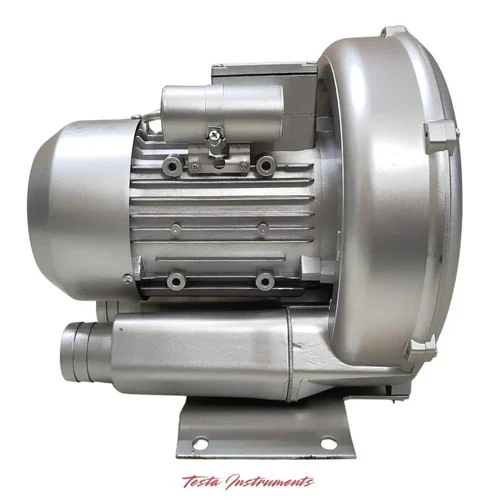
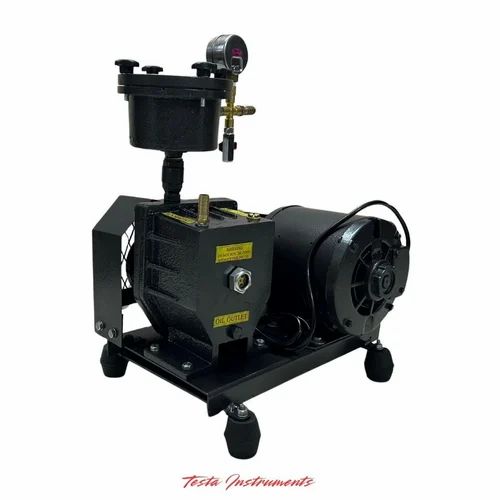
For quick comparisons: diaphragm pumps are excellent for chemically aggressive vapours and variable-duty cycles; rotary vane pumps (oil-lubricated) can reach deeper vacuums for other processes; and ring or side channel blowers give very high flow at low vacuum for aeration tasks. The rocking piston finds its niche where a compact, oil-free, moderate-flow vacuum source is needed for filtration and small lab routines.
Maintenance and reasonable lifespan expectations
Routine maintenance is simple and often manageable by lab staff. Typical tasks include checking inlet filters, emptying condensate traps, replacing valve seats or diaphragms on a schedule, and ensuring the motor vents are clean. A preventive checklist every month or quarter is sufficient in most setups; frequency increases with heavy daily usage or challenging environmental conditions.
A sensible approach to lifespan: expect several years of effective service with periodic parts replacement rather than decades with no attention. Avoid broad claims; instead, budget for a valve kit or small parts replacement after a few thousand hours of operation. Keep a small spares kit and a service log — that practice saves downtime.
Choosing the 30 LPM oil-free rocking piston vacuum pump size for your setup
Selecting the right model is partly arithmetic and partly practical judgment. Start with the combined flow demand of the filtration apparatus — add the volume of the flask, the size of the funnel, and any tubing volume. Factor in the resistance of your chosen filter medium. If your estimated required flow approaches or exceeds the pump’s rated LPM, choose the next size up. If you routinely run many short cycles rather than long continuous draws, a model rated for intermittent duty is fine; for extended continuous runs, look for a version rated for higher duty cycles.
Power availability is straightforward for lab benches supplied with single-phase mains, but in remote or field setups check voltage and frequency. Also consider the inlet protection requirements: if you process volatile solvents, a cold trap or solvent scrubber upstream will protect the pump.
When a higher capacity model makes sense: if you plan to expand to multiple funnels, to use large vacuum manifolds, or to run processes in parallel. When a lower capacity model makes sense: if you only run occasional single-sample filtrations and value the smallest footprint and lowest cost. The 30 LPM unit is balanced for one-to-two station work with occasional bursts.
Installation considerations
Place the pump on a flat surface, allow clearance for ventilation, and mount a condensate or solvent trap between the flask and the pump inlet. Keep tube runs short and avoid tight bends. Use appropriate vacuum-rated hose and clamps rather than barbed connections that can slip under vacuum. Grounding is usually not a special requirement for these units, but follow local electrical safety norms for motor installations.
Comparison with diaphragm and other pumps
Compared with a diaphragm vacuum pump, the rocking piston usually offers higher continuous flow for the same size and is more tolerant of short cycles, but diaphragm pumps may tolerate corrosive vapours better. Compared with oil-lubricated piston or rotary pumps, you give up deep vacuum levels in exchange for oil-free operation and lower maintenance overhead.
For many lab filtration tasks the decision is a trade-off between contamination risk, throughput needs and maintenance capacity. The 30 LPM rocking piston is frequently the pragmatic choice.
For purchase, Testa Instruments maintains a visible presence among vacuum pump manufacturers in India and supplies this style of unit to labs across the country. Check product listings and order details at https://www.indiamart.com/testa-instruments/. For quick technical help or inquiries, contact direct support at 07949287697.
Frequently Asked Questions
How does this pump compare for Buchner funnel versus membrane filtration?
Both tasks benefit from steady, oil-free suction. For Buchner funnels the pump’s flow maintains drawdown and helps form a uniform cake. For membrane filtration it provides controlled suction across the membrane surface. Membrane operations that demand very low differential pressures or extremely fine pore sizes may need a higher vacuum capability or slower flow to avoid damaging the membrane; in most routine lab uses the 30 LPM unit performs well.
Can I use the pump with solvent vapours?
Short answer: with protection. Install an appropriate cold trap or solvent capture system between the flask and the pump to prevent vapour carryover. Continuous solvent processing without traps risks damaging seals and reducing service life.
What are common signs it needs servicing?
Watch for decreased suction, increased noise, elevated running temperature, or visible oil or liquid in the outlet (if a trap is absent). If drawdown times lengthen noticeably versus historical performance, inspect inlet filters and valves.
Is this pump suitable for continuous 24/7 operation?
Most bench-sized rocking piston pumps are designed for intermittent or heavy intermittent use rather than continuous industrial duty. If you need continuous 24/7 operation, confirm the manufacturer’s duty rating and consider selecting a model specified for continuous running or a larger capacity unit that will not be pushed to limits.
Conclusion
When a lab needs a compact, tidy source of suction for single-station Buchner funnels and routine membrane work, a 30 LPM oil-free rocking piston vacuum pump hits the balance of cleanliness, performance and serviceability. It provides oil-free air-paths, predictable drawdown and manageable maintenance. Match its flow and duty ratings to your filtration setup, guard it from liquids and vapours with basic traps, and you get a dependable tool for day-to-day filtration work. Think of it like a quietly managed room of books where every whisper of airflow is intentional and contained — it simply does the job without getting in the way.