
Powerful statement: In many research labs the difference between a smooth run and constant troubleshooting comes down to the choice of vacuum source.
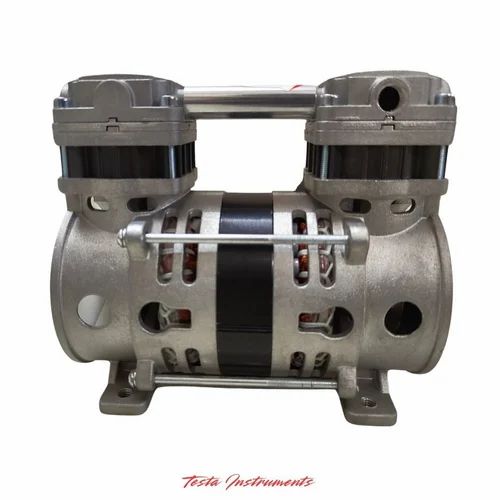
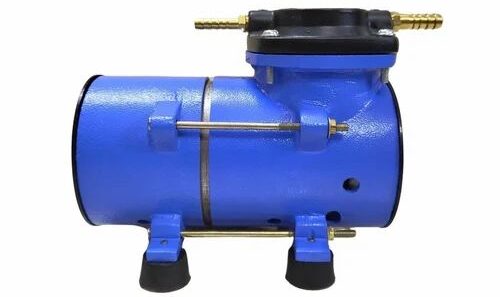
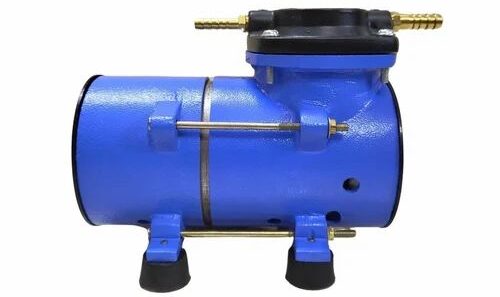
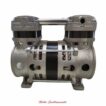
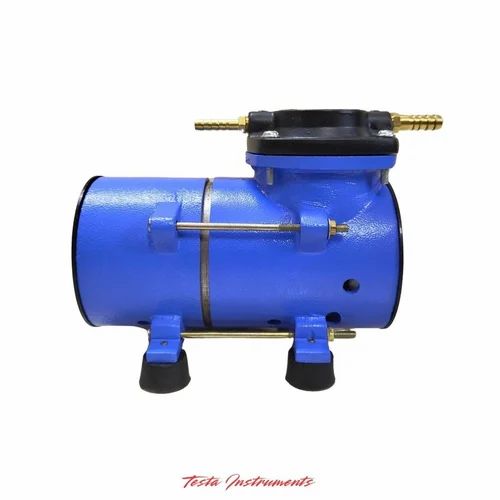
A properly sized 15 LPM Diaphragm Vacuum Pump should be on any spec sheet for small rotary evaporators and routine vacuum filtration setups. This compact oil-free pump is designed for intermittent to moderate duty applications and typically delivers around 15 litres per minute of free air displacement while maintaining a clean, maintenance-light service profile.
Table of Contents
- What the 15 LPM Diaphragm Vacuum Pump is and how it works
- Why the 15 LPM Diaphragm Vacuum Pump fits rotary evaporator and vacuum filtration
- Key specifications and performance context
- Real-world insight
- Maintenance and lifespan
- Choosing the right size or variant
- Frequently Asked Questions
- Conclusion
What the 15 LPM Diaphragm Vacuum Pump is and how it works
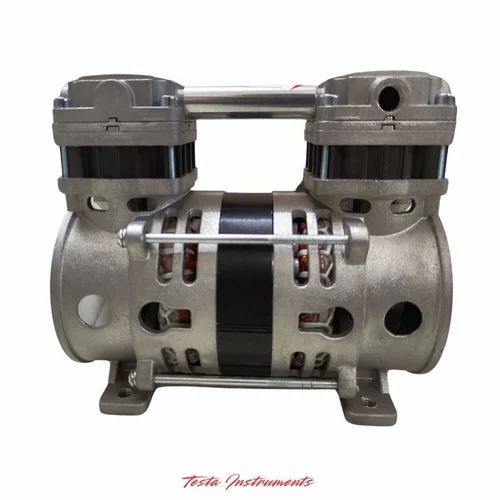
Start with the practical picture: this is an oil-free mechanical pump that moves air by oscillating a flexible membrane inside a chamber. A motor drives the diaphragm, creating alternating suction and discharge strokes. Valves open and close in rhythm so gas is pulled in on the suction stroke and pushed out on the discharge stroke.
Explaining it to a buyer on site, I say this: it is a compact air mover that creates a partial vacuum without oil traps, so you avoid oil contamination of your distillate or filter flask. That is why many labs favor the design for small-scale solvent recovery and particulate filtration.
Because the diaphragm and valves are the wear items, the pump is inherently cleaner to operate than oil-lubricated rotary systems. It also tolerates occasional solvent vapours better than some dry rotary designs, provided you fit a cold trap and plan for condensate management.
Simple breakdown of the action
The motion is straightforward: the motor drives a rod or crank that flexes the diaphragm. When the diaphragm retracts, it draws air through the inlet check valve. When it pushes forward, the outlet valve opens and the air is expelled. In the 15 LPM class you get modest flow rates with decent ultimate vacuum for many lab processes.
Why the 15 LPM Diaphragm Vacuum Pump fits rotary evaporator and vacuum filtration
For a standard benchtop rotary evaporator running 50 to 500 millilitre flasks, and for routine vacuum-assisted filtration through 47 to 90 mm funnels, the 15 LPM Diaphragm Vacuum Pump provides a reliable balance between flow and vacuum depth. It delivers steady suction that helps reduce bumping and improves solvent recovery when coupled with a proper condenser and trap.
On the filtration side, the pump supports consistent flow through filter media without the mess and maintenance of oil-sealed pumps. It is particularly useful when your lab processes biological samples, sensitive catalysts, or when you need to avoid oil backstreaming into the filtration setup.
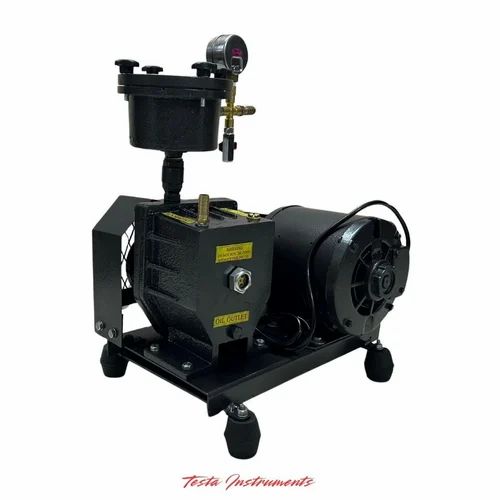
Caveat: if your application is continuous multi-sample evaporation, heavy solvent loads, or large-volume filtration (several litres per batch), a larger capacity or different pump architecture may be more suitable. For example, multi-user central systems often run larger piston or rotary vane units to keep multiple lines active without pressure drop.

Key specifications and performance context
Specs on paper tell only part of the story. Here is how the most important numbers translate into everyday lab expectations.
Flow rate (LPM)
The nominal 15 litres per minute rating describes free air displacement at zero vacuum. In practice, as vacuum level increases the effective flow into the system drops. For rotary evaporation, you want enough flow to evacuate the condenser and keep the flask under the intended pressure; 15 LPM is suitable for single-bench setups handling small flasks and moderate solvent loads.
Vacuum level (ultimate pressure)
Diaphragm pumps in this size class typically achieve a final pressure in the range of 20 to 100 millibar depending on stage design and whether they are single or multi-stage. What matters is the working vacuum for your process. If you need very low millibar ranges for delicate high-vacuum distillations, a pump designed specifically for deep vacuum is a better match.
Duty cycle and thermal considerations
Many 15 LPM units are rated for continuous operation, but continuous duty at high vacuum with heavy vapour loads will shorten service intervals. If you run long evaporation cycles back to back, plan for thermal management and consider intermittent operation or a protected installation with adequate ventilation.
Power draw and installation footprint
Expect modest electrical demand for a pump in this class, commonly single-phase mains and under a kilowatt. The small footprint makes bench or cabinet mounting feasible. Check the motor type and start-up surge if you are placing multiple units on a single circuit.
Noise level
Diaphragm pumps are not silent, but many modern designs keep noise within comfortable lab thresholds. If your workspace requires minimal acoustic intrusion, place the pump in an acoustic enclosure or a nearby service room and use appropriate tubing lengths to maintain performance.
Real-world insight
When I advise labs, I compare pump selection to navigating by the night sky: the equipment should guide workflows reliably without distracting you from the task. Choose hardware that keeps you on course rather than forcing constant corrections.
Practical points from field experience:
- Buyer mistake: sizing solely on flow number without considering system leak rate and the vacuum level required. A 15 LPM pump will struggle if the rig has poor seals or large venting paths.
- Installation: mount the pump on a stable surface with vibration damping and use flexible tubing of correct internal diameter. Oversized hose can reduce suction efficiency; undersized hose increases backpressure and reduces effective flow.
- Environment: avoid dusty or very hot locations. Diaphragm pumps tolerate some solvent vapour, but dust will abrade the diaphragm and valves. If the lab has heavy particulate or continuous solvent venting, add inlet filtration or place the pump in a conditioned enclosure.
- Alternatives: dry rotary or piston pumps provide higher flows and deeper vacuum for heavier loads, while ring blowers and side channel blowers offer different pressure-flow profiles for applications that require steady positive pressure rather than vacuum.
Maintenance and lifespan
Maintenance on a 15 LPM Diaphragm Vacuum Pump is typically straightforward and predictable. In practice, teams perform the following tasks:
- Inspect and replace diaphragm and valve assemblies at recommended intervals or when performance drops noticeably. This is the most common wear item.
- Check and clean inlet filters and condensate traps regularly, especially when using volatile solvents.
- Ensure electrical connections are secure and motor ventilation is unobstructed. Keep vents free of dust.
Realistic expectations: components like diaphragms and valves may need replacement every several hundred to a few thousand operating hours, depending on vapour exposure and duty cycle. Avoid claims of decades-long trouble-free operation; instead budget for periodic parts and a predictable maintenance cadence.
Choosing the right size or variant
Selecting a model is an exercise in matching demand to capability. Think about peak flow needs, the vacuum depth you require, how often you run the equipment and the types of vapours you will see.
If you run single-bench evaporation and occasional filtration, a 15 LPM model often hits the right balance. It provides adequate clearing capacity for small flasks and maintains a stable vacuum for filter funnels. However, choose a larger capacity pump if you plan to run multiple evaporators simultaneously or process larger volumes continuously.
Other selection tips:
- Match free air flow to the combined effective leakage and process gas load, not just the flask size.
- Factor in accessories: a cold trap will reduce solvent load to the pump and lengthen diaphragm life. Consider adding a chemical-resistant trap if you use corrosive solvents.
- Confirm electrical compatibility with your lab mains and plan for any surge protection if you have sensitive electronics nearby.
Testa Instruments manufactures vacuum and air-handling solutions and is trusted by thousands of customers across India, which matters when you want local support and spare parts availability.
Frequently Asked Questions
How do I know if a 15 LPM Diaphragm Vacuum Pump is enough for my rotary evaporator?
Check the evaporator flask size and typical solvent boil rates. For single 50–500 mL runs a 15 LPM unit usually suffices. If you experience long pull-down times or frequent bumping, either improve system sealing or step up to a higher flow pump.
Can I run the pump continuously during long distillations?
Many units are rated for continuous duty, but continuous operation with heavy solvent vapour will shorten diaphragm life. Use a condenser and trap to keep vapour away from the pump and monitor temperature and performance during extended runs.
What basic maintenance should my lab technician perform?
Keep inlet filters clean, check condensate traps and replace diaphragms and valves per manufacturer guidance. Perform a quick performance check monthly: note pull-down time and steady-state vacuum vs baseline. Any noticeable decline indicates service is due.
Is oil-free operation really better for lab work?
For many bench applications, yes. Oil-free pumps avoid oil contamination of samples and condensers and reduce the need for oil change procedures. They also remove the risk of oil backstreaming into glassware during sensitive protocols.
Conclusion
Specifying a small, oil-free source such as a 15 LPM Diaphragm Vacuum Pump often resolves common lab headaches: cleaner runs, easier maintenance and predictable performance for single-bench evaporation and routine filtration. Think of selecting the pump as picking a steady guide for daily work; the right match keeps procedures consistent and lets scientists focus on results rather than equipment troubleshooting.
When you size and install the pump with attention to flow versus vacuum requirements, vapour management and routine care, you get a dependable tool that supports typical research workflows without unnecessary complexity. If you need help sourcing spare parts, or want local support, consider reputable suppliers and ask for installation advice specific to your solvent profiles and duty cycle.
Where to purchase: Purchase the 15 LPM model
Direct enquiry support: 07949287697