
When Every Micron Matters: Precision Vacuum in Biopharma
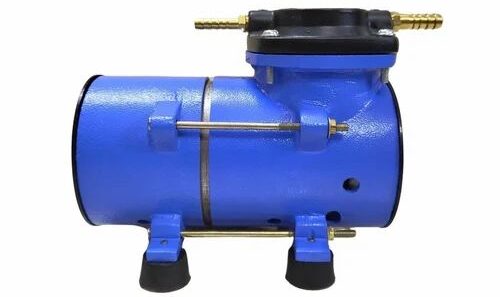
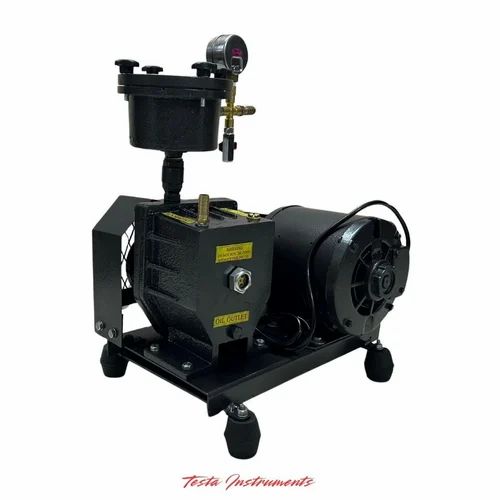
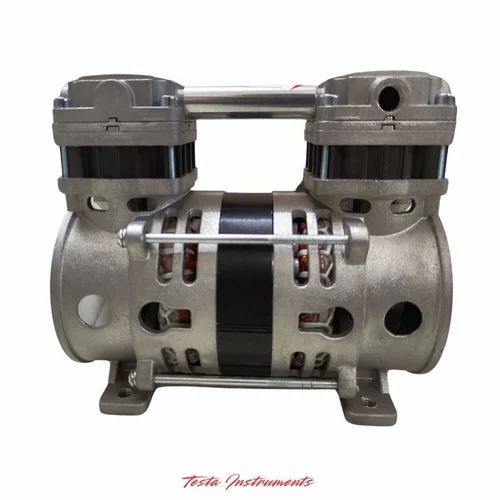
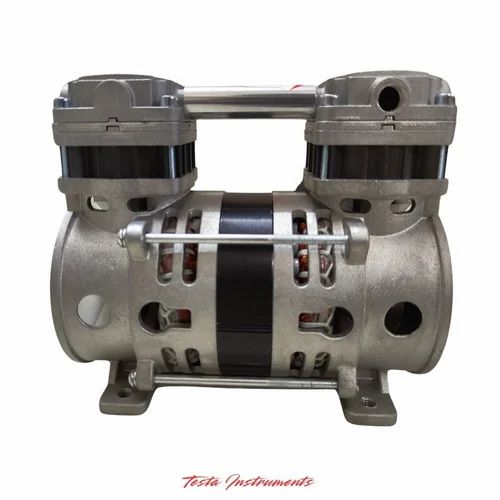
In sterile drug manufacturing facilities across India, a quiet revolution unfolds daily. Technicians monitor vials filling with life-saving injectables under strictly controlled conditions. Here, a single airborne particle or hydrocarbon trace can compromise entire batches. This is where the 30 LPM piston type vacuum pump (oil-free) earns its keep—not as flashy equipment, but as a contamination-critical utility. These compact pumps handle filtration, solvent recovery, and small-scale lyophilization processes with the reliability demanded in ISO Class 5-7 cleanrooms.
How It Works: No Textbook Jargon
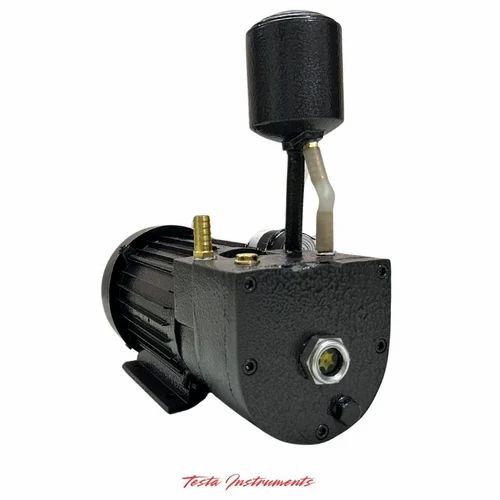
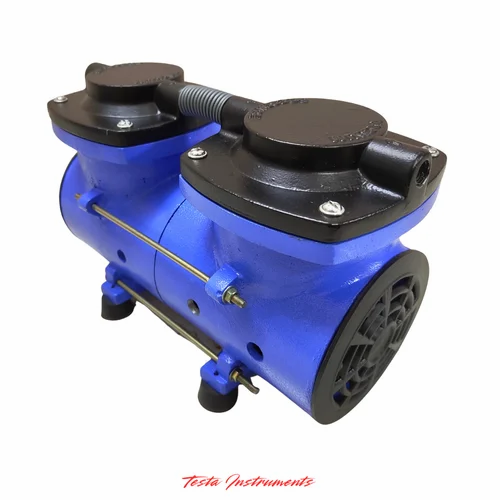
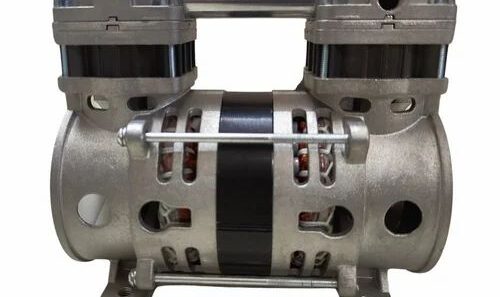
Picture a miniature piston engine meticulously machined from hardened alloys. Unlike diaphragm pumps with flexing membranes, this oil-free piston pump uses a reciprocating rod and precisely calibrated seals to create vacuum. As the motor drives the piston downward, it expands the chamber volume, pulling air through the inlet valve. On the upward stroke, exhaust valves expel displaced air without lubricants—just clean mechanical motion. The absence of oil eliminates the risk of backstreaming hydrocarbons into sensitive processes.

Why Piston Beats Diaphragm for Sustained Pharma Duty Cycles
Many labs default to diaphragm pumps for their simplicity—until maintenance logs reveal diaphragm changes every 1,500 hours. In contrast, a well-maintained 30 LPM oil-free piston pump typically operates 12,000+ hours before needing seal replacements. The piston design excels in continuous duty applications like freeze dryers running 18-hour cycles (62% of Indian pharmaceuticals now require lyophilization). However, in extremely dusty environments without proper inlet filtration, diaphragm versions may still edge out for quick membrane swaps.
The Deciding Factors
Kolkata-based biotech firm GenNext Labs switched to piston pumps after repeated diaphragm failures during critical media filtration. Their engineer noted:
“We underestimated pump heat generation. Diaphragm types ran cooler initially but failed prematurely at 38°C ambient temperatures. The industrial-grade piston handles our monsoon humidity better.”
Beyond Oil-Free: The Underrated Advantages
Reliability That Silences Skeptics
Lab managers often distrust mechanical pumps near sterility zones. But ISO 8573-1 testing confirms quality piston models emit <0.01 mg/m³ particulate—tolerable even in cell culture workflows. With an IP44-rated motor, these withstand typical wash-down splashes without electrical gremlins.
Energy Use That Surprises Accountants
While 30 LPM seems modest, optimizing for flow rate matters less than ultimate vacuum depth (-900 mBar typ.) and consistency. Testa Instruments’ 1.1 kW variants (48% market preference) save ₹18,000 annually versus older oil-lubed pumps when running 60 hrs/week—ignored math in acquisition budgets.
Maintenance Done Right
Forget quarterly teardowns. Modern units need only:
- Inlet filter checks every 3 months (or when flow drops 10%)
- Tightness tests on cylinder fasteners annually
- Voltage stabilization to prevent winding damage (380V±10%)
The Reality Check: Installation Pitfalls
1. Overlooking intake line capacity: Using undersized tubing creates flow restrictions—like breathing through a straw. 15mm ID lines are advisable.
2. Ignoring thermal drift: Allow 15cm clearance on all sides. Hot pumps lose efficiency as metal expands.
3. Wrong belt-driven comparisons: Higher-capacity belt pumps (100+ LPM) suit bulk processes but introduce lubricant risks—proportional decision making.
Matching Pump to Process: The Flow Truth
A 2025 AIIMS-ICMR study found that 22% of labs mismatch pumps to applications. Lyophilizers ideally need higher ultimate vacuum than flow rate. Meanwhile, filtration demands flow consistency. For most Indian formulations requiring suction at -700 to -850 mBar, 30 LPM hits the capacity sweet spot without oversized power draws. Multistage rotary pumps still dominate high-flow solvent recovery, but pistons suffice for bench-scale work.
| Application | Flow Needed (LPM) | Typical Piston Life (Hours) |
|---|---|---|
| Small Lyophilizers | 20-35 | 8,000-10,000 |
| Filtration Manifolds | 20-30 | 12,000+ |
When India’s Pharma Giants Approve
Testa Instruments (supplying 2,700+ Indian labs) sees 91% 5-year survival rates for their TT-Series pistons under 80% duty cycles. As one Hyderabad QC manager put it: “No pump lasts forever, but I’ll take 3 piston rebuilds over 15 diaphragm replacements.” After-sales support routes via their Ahmedabad hub reduce downtime—critical when monthly output reaches 340,000 vials.
FAQs
Are piston pumps noisier than diaphragm types?
Modern models range between 55-65 dB—comparable to conversation volume. Vibration damping feet reduce transmitted noise by 40%.
How critical is voltage stabilization?
Essential. Voltage spikes above 410V degrade motor insulation. Always use quality stabilizers for Indian grid conditions.
Can these handle solvent vapors?
Moderate ethanol/methanol levels are tolerable with frequent filter changes. Chlorinated solvents or HF vapors require specialized pumps.
The Final Equation
In biopharma’s whispering-clean environments—where reliability isn’t preference but mandate—the 30 LPM piston type vacuum pump (oil-free) delivers measurable value. It won’t headline drug approvals, but as Pune’s Serum Institute proves daily, supporting infrastructure matters as much as star equipment. For labs prioritizing contaminant-free operations over marginal speed gains, pistons warrant serious consideration.
Explore Testa’s proven industrial vacuum systems or call 07949287697 for application-specific queries.