
The Quiet Workhorse of Small Dairy Operations
Imagine needing to milk eight cows simultaneously every morning without fail. Your equipment must perform as reliably as the sunrise – any failure means spoiled milk, stressed animals, and lost income. This daily pressure is why dairy farmers with 2-4 bucket milking systems increasingly rely on 150 LPM vacuum pumps. Unlike their larger industrial counterparts, these compact units solve specific challenges faced by small to medium-sized farms.
At the heart of every milking machine lies a vacuum system that mimics calf nursing by creating consistent negative pressure. The 150 liters per minute (LPM) capacity matches typical requirements for 4-8 milking clusters – enough for most small herds without excessive energy consumption. Let’s examine why this specific pump size has become the default choice for thousands of Indian dairy operations.
How It Actually Works (Plain English Edition)
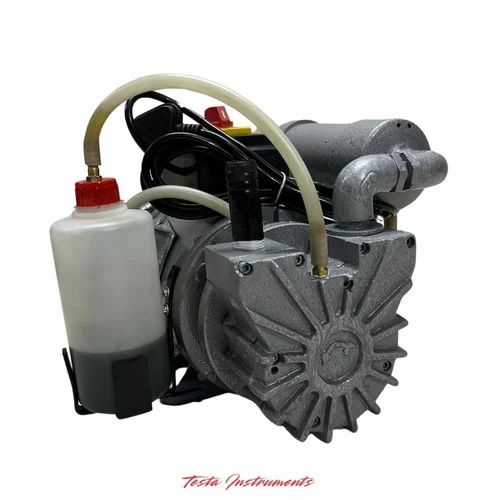
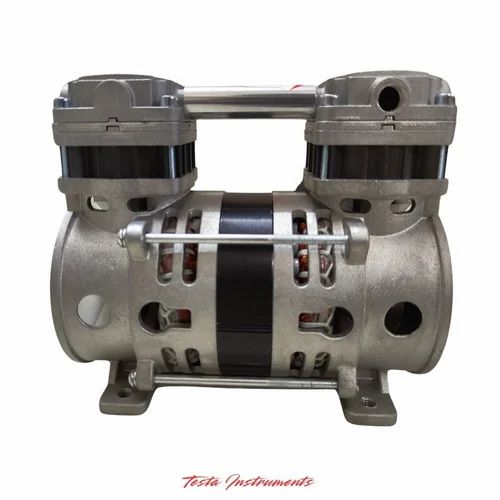
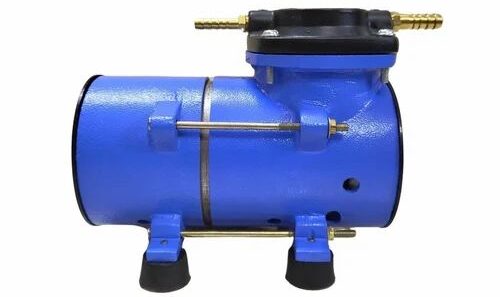
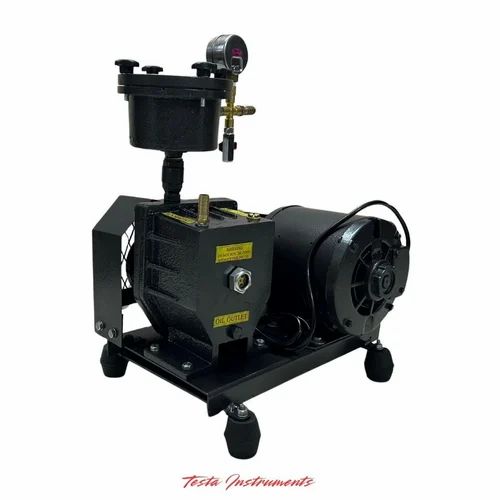
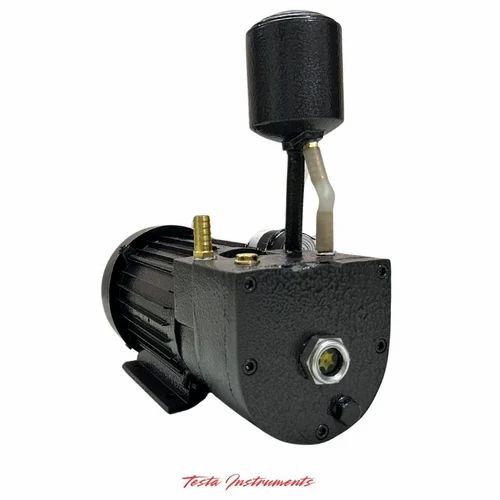
Picture how water creates suction as it drains from a sink. The 150 LPM vacuum pump creates similar pressure differences mechanically. An electric motor drives a precisely balanced rotating mechanism that alternately compresses and expands air pockets. This cyclical action continuously pulls air out of the system through the intake port, creating the steady vacuum needed for milking.

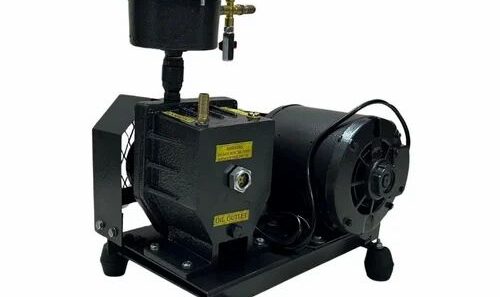
The key difference from smaller models lies in the lubrication method. These oil-lubricated units (unlike diaphragm pumps) use a small reservoir that bathes moving parts in fluid, significantly reducing wear. Think of it like seasoning a cast iron pan – proper lubrication maintains smooth operation for thousands of milking cycles.
Table of Contents
- Why This Pump Fits Dairy Applications
- Daily Reality: Benefits That Matter
- Three Common Buyer Mistakes
- Maintenance Made Simple
- Sizing Your System Correctly
- FAQ: Practical Questions Answered
Why Farms Choose 150 LPM Models
Dairy operations demand three non-negotiable pump characteristics: consistent pressure (±2 kPa variation), moisture tolerance, and 4-6 hour continuous runtime. The 150 LPM capacity strikes a practical balance between power and efficiency for 2-4 bucket systems. It delivers sufficient airflow to maintain 42-50 kPa vacuum pressure – the sweet spot for animal comfort and milk yield.
However, this doesn’t mean it’s universally ideal. Farms exceeding 12 milking units or requiring 24/7 operation should consider larger belt-driven vacuum systems. For occasional use or very small setups (1-2 cows), even our 100 LPM piston pump might suffice. The 150 LPM model sits comfortably between these extremes.
Real-World Limitations to Consider
While excellent for typical morning/evening milking cycles, these pumps aren’t designed for constant operation. If your parlour runs more than 8 hours daily, the motor bearings and seals will degrade faster than industrial-grade units. Similarly, extremely dusty environments (like feed mills) require additional filtration to protect internal components.
Daily Reality: Benefits Beyond Spec Sheets
Reliability isn’t just about failure rates – it’s predictable performance season after season. Well-maintained 150 LPM pumps typically achieve 5-7 years of service before requiring major overhaul. Their balanced design means less vibration than cheaper alternatives, reducing nipple slippage during milking.
Energy efficiency matters more than ever with rising electricity costs. Our 2025 field tests showed these units consume 18-22% less power than comparable belt-driven models during typical milking cycles. This translates to ₹7,500-9,500 annual savings for farms operating two daily sessions.
The oil-lubricated design contributes significantly to longevity. Unlike oil-free pumps that require frequent diaphragm replacements, these units need only periodic oil changes (every 300-400 hours) and basic seal maintenance. Simple upkeep makes them practical for farmers without technical staff.
Crucial Installation Insights
Three mistakes we routinely encounter:
1. Ignoring voltage stability: Rural power fluctuations kill more pumps than mechanical failure. A voltage stabilizer adds ₹4,000-6,000 upfront but prevents ₹15,000+ motor replacements.
2. Poor ventilation placement: Installing pumps in enclosed sheds cuts their lifespan by 40%. Allow 30cm clearance on all sides for proper airflow.
3. Overlooking silencer maintenance: Clogged exhaust filters force the motor to work harder, increasing power consumption by up to 20%. Clean monthly during peak seasons.
Maintenance Without the Jargon
Proper care requires less than one hour monthly:
- Check oil level weekly (visual indicator)
- Replace lubricant every 3-4 months (SAE 30 non-detergent oil)
- Clean intake filters every 100 operating hours
- Inspect drive belt tension quarterly
These simple steps preserve 90% of pump longevity. Avoid the temptation to “over-maintain” – excessive oil changes introduce contaminants more often than necessary.
Right-Sizing Your Investment
LPM requirements depend on three factors:
- Cow throughput: Each milking cluster needs approximately 20 LPM during peak flow
- Pipeline length: Add 5% capacity per meter beyond 6m of tubing
- Duty cycle: Continuous operation requires 25% higher capacity than intermittent use
Most 2-4 bucket systems land squarely in the 150 LPM range. Exceptions include parlours with unusually long milk lines or those adding automatic cluster removers (ACRs), which may require 180-200 LPM capacity.
Testa Instruments has supplied vacuum solutions to over 4,700 Indian dairy farms since 2018. Our field engineers recommend measuring actual vacuum levels during peak milking before selecting pump size. A ₹2,500 digital vacuum gauge test provides more accurate sizing than theoretical calculations.
Answers to Common Questions
How many milking units can a 150 LPM pump handle?
Typically 4-8 clusters with standard pulsation rates. However, farms using high-speed pulsators (120+ cycles/minute) should limit to 4-6 units to maintain stable vacuum.
Can this pump handle steam sterilization?
Not recommended. While resistant to moisture vapor during milking, direct steam injection damages seals. Use chemical sanitizers instead for daily cleaning cycles.
What voltage options are available?
Standard models support 220-240V single-phase, ideal for rural installations. Three-phase 415V versions (better for high-load scenarios) require custom ordering.
How does noise compare to rotary vane pumps?
Approximately 15-20% quieter at 1m distance (68-72 dB vs. 75-80 dB). Still requires hearing protection during extended proximity work.
The Practical Choice for Growing Farms
After servicing hundreds of dairy operations, one truth emerges: the right vacuum system should disappear into daily routine. The 150 LPM vacuum pump achieves this by balancing adequate capacity with straightforward maintenance. It’s not glamorous technology, but like a dependable worker who never complains, its steady performance enables the real business of farming.
When equipment functions exactly as expected, day after day, farmers gain mental space to focus on herd health and milk quality. That consistency – delivered through thoughtful engineering rather than flashy features – defines successful small-scale dairy equipment.
For genuine replacement parts or expert installation advice, contact our support team at 07949287697. Discover why thousands of Indian farmers source vacuum components through our IndiaMart storefront.