
Strong performance in the milking parlor starts with the right vacuum source. For many small-to-medium dairy operations the 150 LPM Milking Vacuum Pump is the practical choice when you need steady suction for 4 to 6 milking units. This article walks through how that pump works, why it fits this scale of farm, what to watch for during installation, and how to size and maintain it so the milking routine stays reliable.
Table of Contents
- Introduction
- 150 LPM Milking Vacuum Pump: What it is and how it works
- Why this pump fits small-to-medium farms
- Key specifications and what they mean on farm
- Real-world insights and common mistakes
- Maintenance and typical lifespan
- Choosing the right size or variant
- Where to buy and support
- Frequently Asked Questions
- Conclusion
150 LPM Milking Vacuum Pump: What it is and how it works
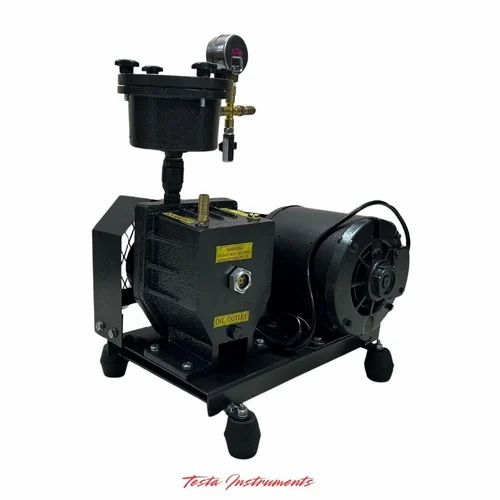
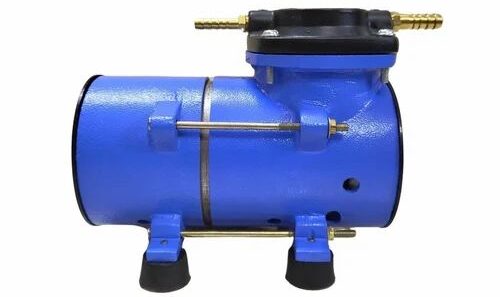
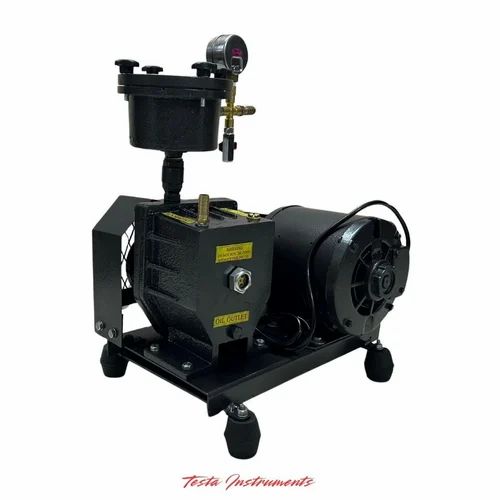
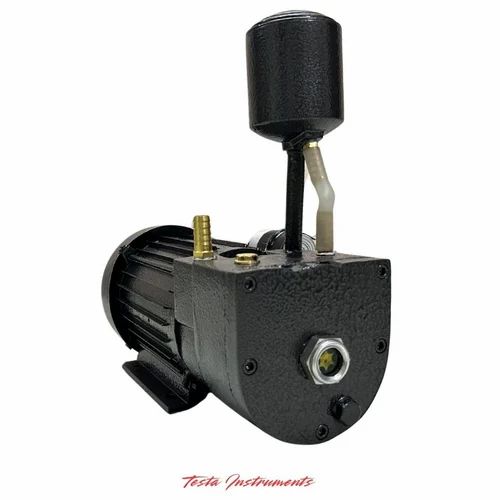
The milking pump in focus is a lubricated rotary-style milking vacuum pump designed to deliver roughly 150 litres per minute of free air delivery under normal operating conditions. In plain terms, it produces and maintains the negative pressure the milking cluster needs to extract milk without breaking teat cup seal or causing excessive liner wear.
Think of the pump’s action like building a compact mound of damp sand at the beach. If the sand is dry or scattered, the structure won’t hold; if it is too wet, it collapses. The pump must remove the right amount of air and hold the right vacuum level so the milking system forms a stable interface between liner and teat. Too little vacuum and the system leaks; too much and you stress the teat. The 150 LPM unit balances removal rate and steady vacuum for small-to-medium parlours, keeping the “wall” of stability consistent through the milking cycle.
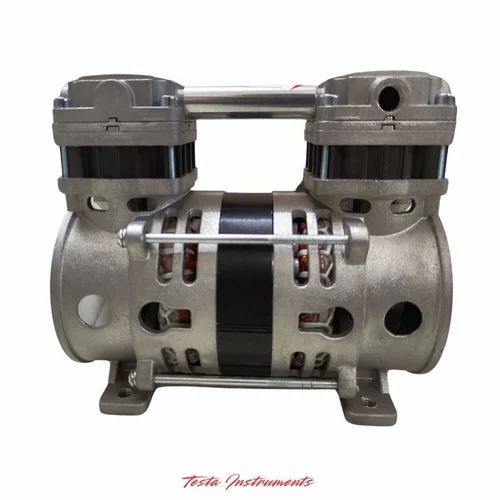
Mechanically, this milking pump uses rotating vanes or lobes inside a housing, lubricated with oil, to create a steady suction. Oil lubrication helps seal clearances, cool internal parts, and carry away wear particulates. The pump draws air out of the milking pipeline and header, and a vacuum regulator at the cluster keeps the working vacuum at the set point for consistent milking action. The net result is a steady, pulsation-friendly suction source tailored to the number of milking units it serves.

Why this pump fits small-to-medium farms
A 150 LPM milking pump typically supports four to six milking clusters with reliable vacuum levels during peak demand. On farms with that scale—batch milking or small parlours—the pump’s airflow meets short-term peaks when multiple cows are milked simultaneously, while keeping motor size and energy draw moderate.
There are practical reasons this model is a frequent choice on smaller operations. The pump’s rated flow aligns with the typical free-air demand of the pipeline plus margin for minor leaks and pulsation chambers. It carries a lower capital and operating cost than larger belt-driven or multiple-pump arrangements, and because it is oil-lubricated, it delivers stable vacuum during continuous milking shifts.
Limitations: if you plan to expand to doubled-up parlours, robotic milking banks with multiple simultaneous clusters, or heavy-wash cycles that draw extra air, a larger capacity or a two-pump setup makes more sense. Also, if your priority is entirely oil-free discharge into the atmosphere—for example, certain sensitive lab uses—you would choose an oil-free blower or diaphragm vacuum pump instead.
Key specifications and what they mean on farm
Flow rate (LPM)
Flow rate is the volume of air the pump can move per minute. A 150 LPM rating means the unit can evacuate 150 litres of air each minute under rated conditions. On the farm this matters because the milking pipeline and clusters demand transient airflow during cluster application and purge events. A pump rated at 150 LPM gives enough headroom to keep vacuum steady across typical short surges associated with 4-6 units milking.
Vacuum level
Vacuum level is how much negative pressure the system can hold, usually specified in mbar or inches of mercury. For dairy milking you generally set the vacuum at a steady value—often around 40–50 kPa depending on your system and liner specifications. The pump’s job is to maintain that level under load; the regulator and accumulator smooth fine changes so animals see a consistent milking environment.
Duty cycle and motor power
On small-to-medium farms the pump often runs for the entire milking block, which can mean repeated starts and several hours of continuous run each day. Duty cycle speaks to whether the pump is intended for continuous operation or intermittent use. The 150 LPM milking pump is built for extended operation but still benefits from sensible rest periods and periodic checks. Motor power is sized to deliver rated flow at the required vacuum; expect a matching electric motor in the fractional to small-horsepower range, depending on voltage and efficiency.
Noise and vibration
Sound matters on the farm. These pumps are not silent, but a well-installed unit with proper mounting, rubber isolation, and an acoustic cover will be acceptable for most barn layouts. Vibration control helps keep pipelines sealed and prolongs lifetime of companion equipment.
Oil lubrication
Because this milking pump is oil-lubricated, it offers smooth operation and longer service intervals than some oil-free designs in the same class. The trade-off is you must manage oil levels and ensure exhaust oil mist is handled appropriately so it does not contaminate nearby areas.
Real-world insights and common mistakes
Installers commonly undersize piping and fittings for the nominal flow. Narrow or long-line plumbing chokes the system and produces unpredictable vacuum levels. Use the recommended diameter and keep bends gentle.
Another frequent oversight is ignoring the pulsation chamber and regulator placement. Locate these close to the clusters and away from the pump intake pipe so the pump sees a steady load and the regulator can respond appropriately.
Environmental suitability is straightforward: keep the pump in a dry, cool, and ventilated room. Dust and high ambient temperatures reduce service life. If you cannot provide a clean room, add filtration on the intake and a small canopy to shield from debris and weather.
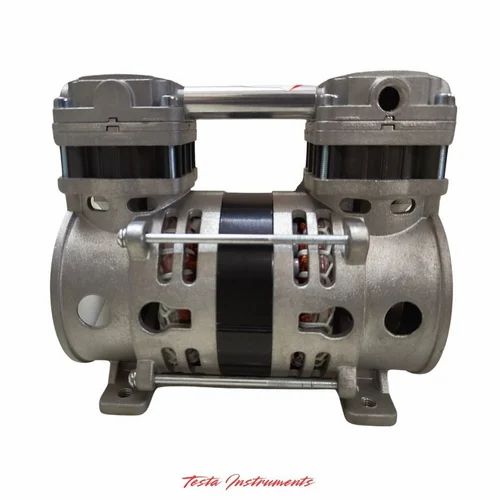
Short comparison note: some farms choose an oil-free side channel blower or diaphragm pump to eliminate oil handling. Those alternatives work when absolute oil-free discharge is required or when noise and maintenance priorities differ, but they usually need higher motor power or multiple units for the same throughput. For the typical 4–6 bucket milking system the oil-lubricated 150 LPM unit often remains the most balanced choice.
Maintenance and typical lifespan
Routine maintenance is straightforward and predictable. Weekly checks of oil level and visual inspection of drive belts, couplings, and mounting points prevent surprises. Change oil according to the manufacturer’s hours schedule or sooner if you see darkening or particulate. Clean or replace air intake filters frequently in dusty conditions.
Expect bearings and seal checks at regular service intervals. For most farms following a sensible maintenance cycle the pump will provide many years of steady service, though specific lifetime depends on operating hours, environmental conditions, and how rigorously maintenance is performed. Avoid bold claims about multi-decade life; instead plan for component replacements and routine refurbish cycles.
Choosing the right size or variant
Start with the flow requirements of your milking set and pipeline. Add a 20–30 percent margin to the peak demand to account for leaks, pulsator transmission, and future increments. If your operation consistently runs six clusters and expects to expand soon, consider a pump with a somewhat higher rating or a two-pump layout for redundancy.
Duty cycle matters. If you run a single long milking block each day the pump needs to be reliable in continuous mode. If you have several short blocks with extended idle periods, the starting torque and duty cycle rating take priority. Check motor starter sizing and protection devices, particularly if your farm has soft supply or voltage fluctuations.
Power availability and site constraints influence choice. If the site has limited electrical capacity, a higher-efficiency pump with a matching motor may be a better compromise than a larger unit that strains the supply. If the farm is noisy by design, you might accept less acoustic control; in quieter barns invest in isolation and acoustic housings.
When a higher or lower capacity model makes sense: choose a lower capacity only when you clearly will not exceed four clusters and can control leak rates tightly. Step up capacity when you plan expansion, operate wash cycles that draw extra air, or want headroom to avoid running the pump at maximum load continuously.
Where to buy and support
If you are evaluating suppliers in India, Testa Instruments manufactures vacuum and air-handling solutions and is a trusted supplier to thousands of customers across the country. For equipment details and to request a quote, check this listing: https://www.indiamart.com/testa-instruments/.
For direct technical or ordering support call the sales line: 07949287697.
Frequently Asked Questions
How many clusters can a 150 LPM milking pump reliably support?
Typically four to six clusters depending on pipeline design, leak tightness, and pulsation settings. If clusters are of higher capacity or you run simultaneous wash cycles, expect the upper limit to drop.
Is oil-lubricated discharge an issue around animals?
Properly maintained pumps oil-mist levels are low and do not affect animals when the pump room is ventilated and exhaust is directed away from the barn. Regular oil changes and filter maintenance keep emissions controlled.
What maintenance tasks should be done weekly and monthly?
Weekly: check oil level, inspect intake filter, confirm mounting bolts and belt tension. Monthly: change or clean filters as needed, inspect seals and couplings, review vacuum level stability during milking.
Can this pump be used with automatic milking machines?
Yes. The pump is designed to integrate with automatic milking machines for small-to-medium farms, providing steady vacuum for the milking cycles and compatible with standard regulators and pulsation systems.
Conclusion
For small-to-medium dairies looking after 4–6 milking clusters the 150 LPM Milking Vacuum Pump represents a balanced option: it provides the airflow needed for steady vacuum, keeps motor and installation costs manageable, and is straightforward to maintain. When installed with proper piping, mounted on vibration isolators, and paired with an appropriately set vacuum regulator and accumulator, this pump gives a reliable foundation for automatic milking machines.
Remember the sand-like physics at work: the milking system needs the right rate of air removal and a stable surface to work against. Under-spec the pump and the “wall” collapses; over-spec it becomes wasteful. Choose the 150 LPM unit when your herd size, milking layout, and duty cycle match the capacity, and plan upgrades if expansion or special hygiene rules require a different technology.
Final note: if you need supplier details or a site-specific recommendation, use the purchase link or call the support number above for fast local assistance.