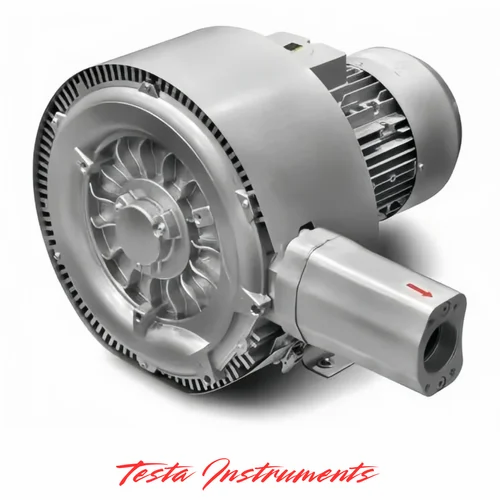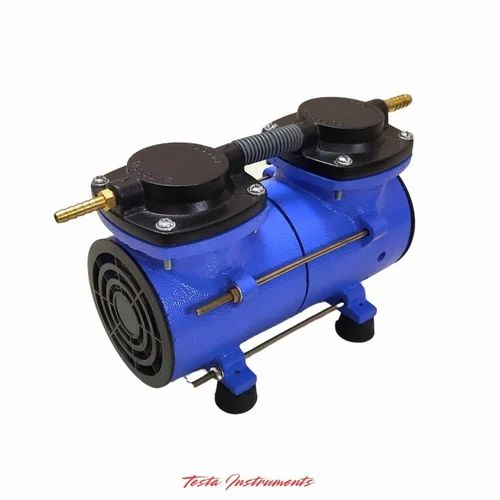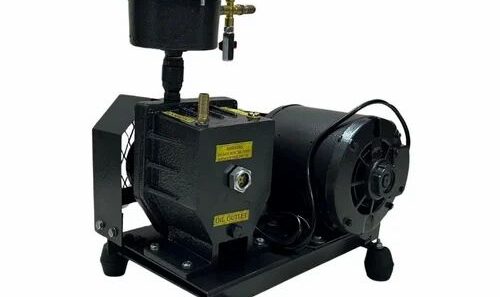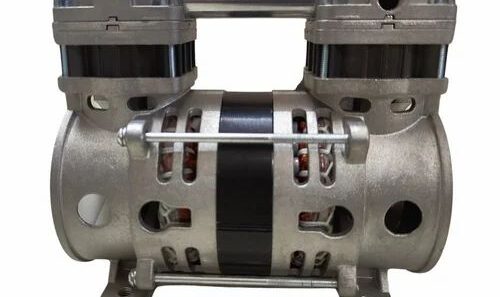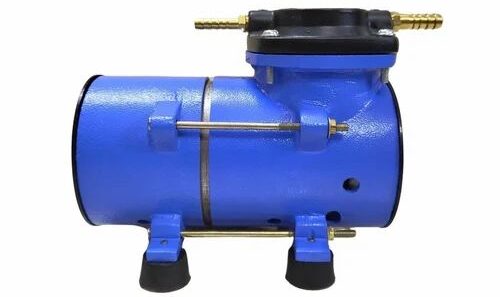
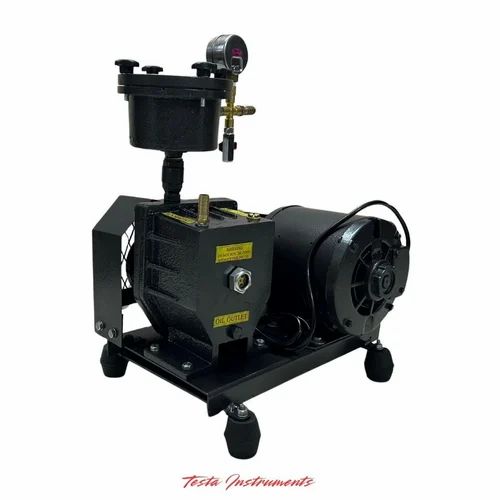
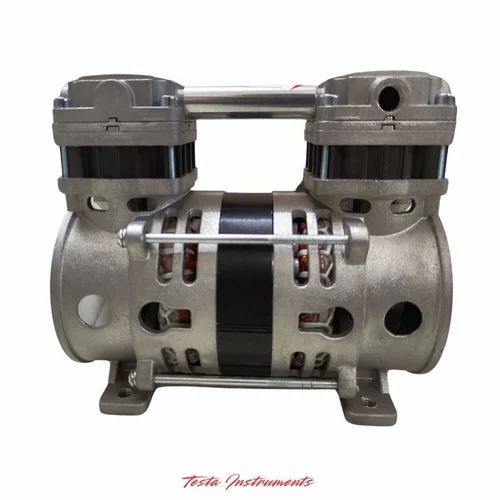
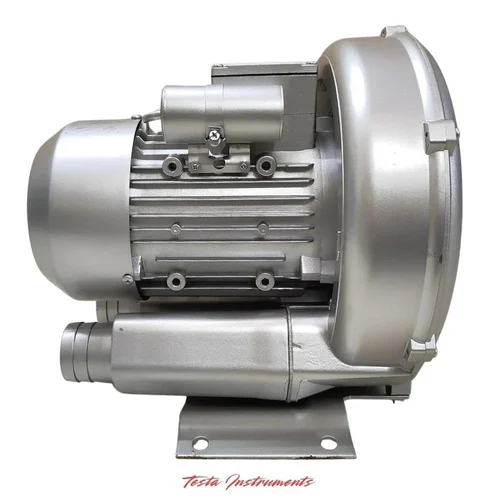

Hook: Effective aeration fixes many common pond problems: low dissolved oxygen, stratification, and stressed fish. In many small to medium culture systems a compact blower is the best fit. The 0.5 HP Single-Stage Ring Blower is designed for steady, oil-free air delivery at modest pressures, typically used where continuous aeration is needed without heavy infrastructure.
Table of Contents
- What the product is & how it works
- Why 0.5 HP Single-Stage Ring Blower fits pond aeration
- Key specifications & performance context
- Key benefits
- Real-world insight
- Maintenance & lifespan
- Choosing the right size or variant
- Frequently Asked Questions
- Conclusion
What the product is & how it works
A ring blower is a centrifugal device that moves air by spinning an impeller inside a housing. It traps air in pockets and compresses it as the impeller moves. Unlike piston or diaphragm pumps that cycle, a ring blower gives smooth continuous flow. For a buyer or installer, the practical effect is simple: connect the blower to flexible tubing and diffusers, provide electrical power, and you get steady aeration without oil to worry about.

Why 0.5 HP Single-Stage Ring Blower fits pond aeration
In small ponds and raceways the goal is to keep dissolved oxygen above critical levels during warm nights and high biomass loads. A half-horsepower single-stage unit is sized to deliver enough air through diffusers to stir the top meter or two and supply oxygen to dense cages. The blower produces continuous flow at low to moderate pressure, so surface or submerged fine-bubble diffusers work well.
One limitation to note: if you need high static pressure for long headers or deep injection points, a larger blower or a two-stage model may be necessary. For very shallow systems where pulsed high-volume aeration is preferred, a different technology like a rotary compressor or belt-driven blower could be better.
Key specifications & performance context
Important numbers you will see on a datasheet are flow (LPM), pressure (often given as mbar or kPa), power draw, duty cycle and noise. In practical terms:
- Flow (LPM): This tells you how much air the blower moves. For a single 0.5 HP unit expect a few hundred to a thousand liters per minute depending on head pressure; that is enough for a typical 0.05–0.2 ha pond with standard diffusers.
- Pressure: A single-stage ring blower gives modest pressure suitable for short runs of tubing and shallow diffusers. If you see pressure ratings under 20 kPa, plan for near-pond placement and short headers.
- Power requirement: 0.5 HP motors draw low current and run off single-phase supplies common on farms. Check starting current and ensure wiring and starter are sized correctly.
- Duty cycle and noise: These blowers are built for continuous duty. Expect steady noise that can be mitigated with a simple enclosure and vibration isolation.
Key benefits
For aquaculture operations the advantages are obvious in day-to-day use. Reliability comes from a simple rotating assembly with few wearing seals. Energy efficiency adds up over the season relative to older belt-driven units. Low maintenance is real: there is no oil to change and no valves to replace regularly. Service life is not infinite, but with basic care these units last several years before major overhaul.
Because the ring blower is oil-free it pairs well with biological systems where contamination is a concern. It also integrates easily into industrial vacuum systems or air-handling setups used on hatchery sites.
Real-world insight
Common buyer mistakes include under-sizing because the pond looked small on paper, and installing the blower far from the pond without accounting for pressure loss in long tubing. Installers often skip basic vibration isolation, which shortens bearing life. Avoid dusty or extremely hot enclosures; ventilation matters. When comparing options, diaphragm vacuum pumps are great for intermittent high vacuum, while a side channel blower is closer in function but often more costly at this size.
Maintenance & lifespan
Routine care is straightforward: keep the inlet screened and clean, check and tighten mounting bolts, clean intake filters, and monitor motor bearings for unusual noise. Replace worn bearings and seals as recommended by service intervals. Expect normal service intervals in the low thousands of hours; do not promise lifetime figures. For critical farms, schedule a spare blower or at least spare bearings.
Choosing the right size or variant
Select by required flow at the system pressure you will have on day one. Estimate oxygen demand using biomass and water temperature, convert to required air flow for your diffuser efficiency, then pick a blower that delivers that flow at expected head loss with some margin. Choose higher capacity if you plan to add more cages or heavier stocking later. Choose lower capacity only if you are optimizing for minimal electricity draw in very small tanks.
Frequently Asked Questions
How noisy is a 0.5 HP unit in practice?
Expect moderate continuous noise. Protect staff and neighbors with an acoustic enclosure and rubber mounts; this reduces perceived noise without harming cooling.
Can I run this blower 24/7?
Yes. These units are designed for continuous duty, provided they have proper ventilation and regular filter cleaning.
Is the blower oil-free?
Yes, single-stage ring blowers are oil-free in the air path, which is why they are preferred around aquaculture systems.
How does it compare to a diaphragm vacuum pump?
Diaphragm pumps are better for intermittent vacuum or suction tasks; for steady aeration a blower provides smoother continuous flow and greater efficiency.
Conclusion
For small to medium aquaculture ponds a compact blower provides reliable, oil-free aeration with low maintenance and acceptable energy use. Place the unit close to the pond, choose diffusers that match the blower’s modest pressure, and plan wiring for the motor’s start current. If you follow those basics a 0.5 HP Single-Stage Ring Blower will be a practical, long-running component in your aeration system—steady like the way wind and water shape a shoreline, holding the structure where it matters.
Testa Instruments manufactures vacuum and air-handling solutions and is trusted by thousands of customers across India. For purchases visit https://www.indiamart.com/testa-instruments/. For direct enquiry support call 07949287697.